Littleton, Colorado
Littleton Overview
Littleton stands as one of the Denver metro area's most desirable suburban communities, blending historic charm with modern suburban convenience in the foothills of the Rocky Mountains. As the county seat of Arapahoe County, this home-rule municipality of approximately 45,000 residents has evolved from its 1859 Gold Rush origins into a thriving community that consistently ranks among Colorado's best places to live.
The city's character is defined by its walkable Historic Downtown—a stretch of Main Street lined with independent boutiques, craft breweries, and farm-to-table restaurants housed in turn-of-the-century buildings. This authentic small-town atmosphere, combined with excellent schools, abundant outdoor recreation, and direct light rail access to downtown Denver, makes Littleton particularly attractive to families, young professionals, and active retirees seeking urban amenities without urban density.
What truly distinguishes Littleton is its commitment to preserving community identity while embracing thoughtful growth. The city has earned the Colorado Department of Education's highest accreditation rating more times than any other metro-area district, passed every bond election brought to voters, and maintains nearly 1,500 acres of parks and open space. With median household incomes approaching $97,000 and a poverty rate below 7%, Littleton represents an affluent yet accessible community that has mastered the balance between historic preservation and modern livability.
Location & Accessibility
Littleton occupies a strategic position approximately 9 miles south of downtown Denver and 55 miles north of Colorado Springs, situated where the Colorado Piedmont meets the Front Range foothills. The city spans roughly 14 square miles along the South Platte River, providing residents with both mountain proximity and plains accessibility.
Major Highway Access
C-470 serves as Littleton's primary beltway, connecting the community to the entire western and southern Denver metro. This toll road provides quick access to the Denver Tech Center (approximately 15 minutes), Boulder (45 minutes), and the mountain corridor via I-70. Santa Fe Drive (US-85) runs north-south through the heart of Littleton, offering a direct route to downtown Denver and serving as a major commercial corridor. Broadway (Highway 87) parallels Santa Fe to the east, while Wadsworth Boulevard provides western access. The combination of C-470 and these arterials means most metro destinations are reachable within 20-35 minutes during non-peak hours.
Light Rail Access
RTD's D Line provides direct light rail service from Littleton to downtown Denver, with the Littleton-Downtown Station serving as a major hub. This historic station—originally built in 1875 for the Denver & Rio Grande Railroad—offers service every 15 minutes during peak hours, with trains reaching Union Station in approximately 32 minutes. The Littleton-Mineral Station at the southern terminus provides additional access with substantial park-and-ride facilities. Light rail service operates from approximately 4:00 AM to 12:30 AM on weekdays, with extended hours on weekends.
Commute Times
Downtown Denver is reachable in 25-40 minutes by car depending on traffic, or 32 minutes via light rail. The Denver Tech Center, a major employment hub, sits just 10-15 minutes east via C-470. Highlands Ranch is 10 minutes south, while the mountain towns of Evergreen and Conifer are approximately 30 minutes west. Denver International Airport requires 45-60 minutes via I-25 or E-470, with the A Line from Union Station adding another option for air travelers.
Neighborhood Character & Lifestyle
Littleton has earned frequent comparisons to Stars Hollow from Gilmore Girls—a quaint, walkable community where neighbors know each other and local businesses thrive. This character isn't manufactured; it's the organic result of over 160 years of community building, historic preservation, and intentional growth management.
Historic Downtown
The heart of Littleton beats along Main Street, where Victorian-era buildings house an eclectic mix of locally-owned shops, restaurants, and galleries. The downtown district spans just a few walkable blocks but packs remarkable density of experiences—from the Melting Pot (the nation's largest franchise location, housed in a 1916 Carnegie library that later served as the police station and jail) to intimate wine bars and craft coffee shops. Main Street hosts a monthly rotation of festivals, from Mardi Gras celebrations to zombie crawls, maintaining year-round community activity.
Family-Friendly Environment
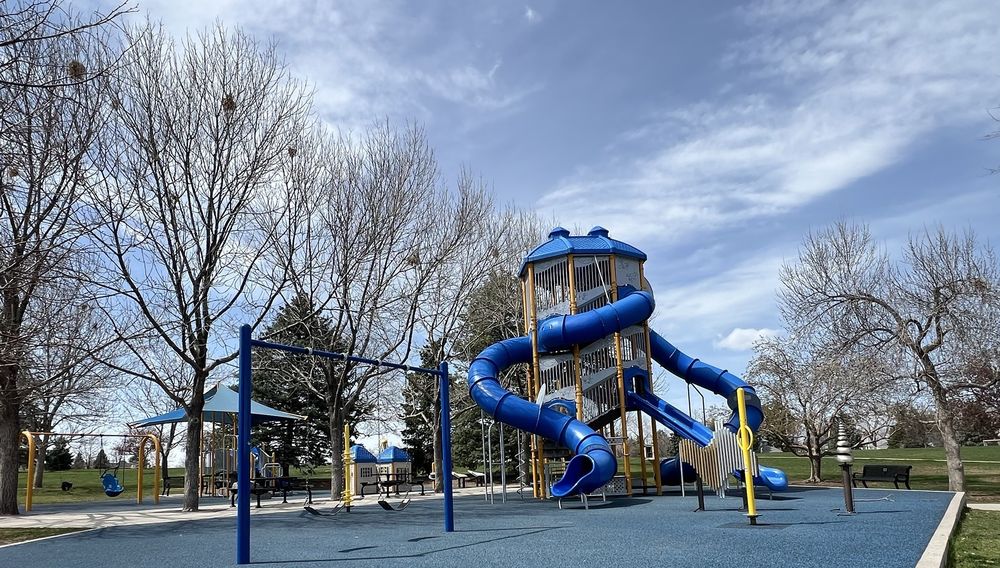
The median age of 40.2 years and strong school systems make Littleton particularly attractive to families. The community offers abundant youth sports programs, summer camps, and family-oriented events. Clement Park's expansive facilities host everything from Little League games to the annual Red, White & You celebration that draws 35,000 attendees. The city's 35+ miles of trails provide safe corridors for biking to school, and numerous neighborhood parks ensure recreational space is never far away.
Outdoor Lifestyle Integration
Unlike many suburbs, Littleton seamlessly integrates outdoor recreation into daily life. The Mary Carter Greenway connects neighborhoods to shopping, dining, and employment along the South Platte River. Residents routinely bike to breweries, kayak to restaurants, and trail-run to coffee shops. The proximity to Chatfield State Park, Roxborough State Park, and the foothills means mountain adventures begin within 15 minutes of most homes. This accessibility to nature—combined with 300+ days of annual sunshine—defines the Littleton lifestyle.
Schools & Education
Education represents one of Littleton's strongest value propositions, with the area served by multiple high-performing districts and numerous private school options. School quality varies by neighborhood, making district boundaries a critical consideration for families with children.
Littleton Public Schools (LPS)
Littleton Public Schools serves approximately 14,000 students across 28 square miles, encompassing the City of Littleton, Town of Columbine Valley, and portions of Bow Mar, Centennial, Greenwood Village, and Englewood. The district's slogan—"Big enough to serve you; small enough to know you"—reflects its commitment to personalized education. LPS has earned the Colorado Department of Education's highest accreditation rating eight times, more than any other metro-area district. Students consistently score 13-21 percentage points above state averages in tested subjects. The district offers National Blue Ribbon Schools of Excellence, an International Baccalaureate program at Littleton High School, and early high school programs allowing eighth graders to begin earning high school credits. More than 20% of LPS students live outside district boundaries but choose to open-enroll, testament to the district's reputation.
Jefferson County Public Schools
Western portions of the Littleton area, including Ken Caryl and Columbine, fall within Jefferson County Public Schools (Jeffco)—one of Colorado's largest districts with over 100,000 students. Jeffco schools in the Littleton area include highly-rated options like Chatfield High School, Dakota Ridge Senior High School, and Columbine High School. The district maintains a student-teacher ratio of 17:1 and offers diverse programming from STEM academies to performing arts focus schools. Heritage High School and numerous elementary and middle schools also serve Littleton-area families within Jeffco boundaries.
Private & Charter Schools
The area supports several private school options including faith-based schools and college-preparatory academies. Littleton Academy, a public charter school, serves K-8 students with a classical education model and consistently ranks among the state's top schools. The proximity to Denver expands private school options significantly, with many families choosing Denver-area independent schools while maintaining Littleton residency.
Parks, Trails & Outdoor Recreation
Littleton's nearly 1,500 acres of parks and open space, combined with access to state parks and regional trail systems, create an outdoor recreation network rivaling resort communities. The South Platte River corridor serves as the spine of this system, connecting neighborhoods to natural areas and regional destinations.
Chatfield State Park
This 5,380-acre state park draws over 2 million visitors annually, offering 1,500-acre Chatfield Reservoir for boating, swimming, and fishing. The park features 26 miles of trails for hiking, biking, and horseback riding, a 69-acre off-leash dog area with ponds and trails, 197 campsites, and hot air balloon launching facilities. Wildlife diversity spans bald eagles and American white pelicans to deer, elk, and prairie dogs. The park often reaches capacity on summer weekends—locals know to arrive early or visit midweek.
South Platte River Trail & Mary Carter Greenway
The 8-mile Mary Carter Greenway traverses 880 acres of open space along the South Platte River, connecting Chatfield State Park to Englewood. This paved multi-use trail features separate paths for pedestrians and cyclists, whitewater boating facilities, interpretive sites, and direct access to hot spots including Hudson Gardens, Breckenridge Brewery, and Downtown Littleton. The trail links to the High Line Canal Trail via Lee Gulch, enabling east-west traversal across the region.
Hudson Gardens
This 30-acre botanical garden offers free admission from sunrise to sunset, featuring themed gardens, water features, walking paths, and public art installations. The gardens host summer concert series, holiday light displays (Hudson Holidays), educational workshops, and community events throughout the year. Nixon's Coffeehouse on-site provides refreshments, and the venue accommodates private events from weddings to corporate gatherings.
Additional Recreation
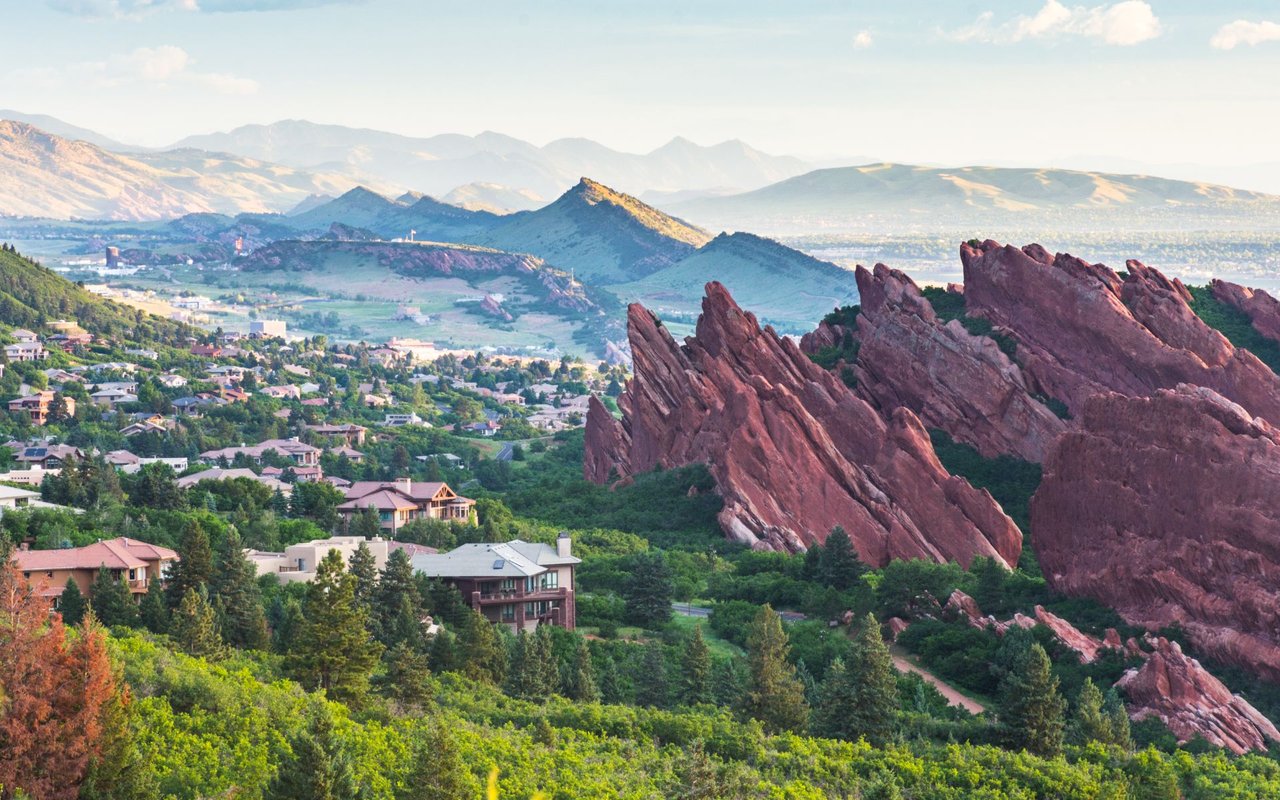
South Platte Park and Carson Nature Center offer environmental education and wildlife viewing. Deer Creek Canyon Park provides hiking access into the foothills. Roxborough State Park, just south of Littleton, features dramatic red rock formations and excellent hiking. Clement Park's 153 acres include sports fields, playgrounds, a lake with 1.4-mile loop trail, and community gathering spaces. The city's network of neighborhood parks ensures recreational facilities within walking distance of most homes.
Shopping, Dining & Entertainment
Littleton's commercial landscape balances national retail accessibility with a thriving independent business scene. Historic Downtown anchors the local economy, while surrounding retail centers provide everyday convenience.
Historic Downtown Littleton
Main Street's independent boutiques, antique shops, and specialty stores create a browsing destination rather than mere shopping errand. Notable establishments include Lollygag Antiques & Boutique, Lahout's outdoor gear store (featuring The North Face and Patagonia), the Depot Art Gallery, and General Store 45. The historic depot building houses rotating coffee concepts, while St. Nick's Christmas store has operated since 1976 as a year-round holiday destination.
Dining Scene
Littleton's restaurant scene punches well above its suburban weight class. Café Terracotta occupies the 1902 Queen Anne Louthan House, offering upscale American cuisine in a historic setting. Cencalli Taqueria brings authentic Mexican street food with an award-winning margarita program. Cherry Cricket serves legendary burgers in a casual atmosphere, while Palenque Cocina y Agaveria specializes in central Mexican cuisine and mezcal cocktails. DIRT Coffee Bar operates as a nonprofit training and employing neurodivergent individuals while serving exceptional coffee.
Breweries & Wineries
Breckenridge Brewery's Farm House campus offers restaurant dining, outdoor beer garden, and 65,000-barrel annual production facility on a ranch-style setting. Local craft options include Living the Dream Brewing Company, Locavore Beer Works, Jake's Brew Bar, and Little Town Brews. Carboy Winery and Honnibrook Mead Cottage provide wine and mead alternatives, and Ordinary Fellow Winery participates in local farmers markets.
Entertainment & Arts
Town Hall Arts Center presents community theater productions and live music in a historic venue. The Depot Art Gallery showcases local artists year-round. Aspen Grove shopping center combines retail with entertainment including a food hall concept. Southwest Plaza mall provides regional shopping access. Escape rooms, including Mystic Escape Room, offer interactive entertainment, while the area's proximity to Denver expands cultural options exponentially.
Community & Events
Littleton's event calendar reflects a community that genuinely enjoys gathering. From weekly farmers markets to multi-day festivals, the city maintains programming that brings residents together throughout the year.
Western Welcome Week
This 10-day August celebration represents Littleton's signature community event, running since 1928 and now approaching its 100th anniversary (2028). The 97th annual celebration (2025) features over 40 events including the Grand Parade, Firefighter's Children's Parade, pancake breakfast, 5K fun run, children's fishing derby, craft fair, live entertainment, Taste of Western Welcome Week food and beverage festival, duck race, and concerts. The festival's theme of "The Spirit of Generosity" reflects its roots in community service, with events supporting local nonprofits and civic organizations.
Farmers Markets
The Downtown Littleton Farmers Market operates Sunday mornings (9 AM - 2 PM, May through September) on Nevada Street, featuring local produce, handmade goods, and prepared foods. Operated by LittletonQ+, the market accepts SNAP payments and emphasizes inclusivity. Aspen Grove hosts a Friday Farmers Market (10 AM - 2 PM, June through September) with similar offerings in the shopping center parking lot.
Seasonal Celebrations
The Candlelight Walk launches the holiday season with hot cider, carolers, reindeer visits, and merchant open houses. Small Business Saturday showcases Main Street retailers with special promotions. Hudson Holidays transforms the gardens into a mile-long light display. Red, White & You draws an estimated 35,000 attendees to Clement Park for Independence Day celebrations. Additional events include Mardi Gras celebrations, zombie crawls, outdoor concert series, art walks, and monthly Main Street block parties.
Transportation & Commuting
Littleton offers unusually diverse transportation options for a Colorado suburb, combining highway accessibility with robust public transit and excellent cycling infrastructure.
RTD Light Rail
The D Line operates every 15 minutes during peak hours between Littleton-Mineral Station and downtown Denver's 18th & California. The Littleton-Downtown Station provides direct pedestrian access to Main Street and features a historic 1875 depot building. Total travel time to Union Station averages 32 minutes. The C Line previously served Littleton but was discontinued in 2021; the D Line now provides primary rail service. Bus routes 29, 66, and 0B supplement rail service with connections to surrounding areas.
Highway Commuting
C-470 provides the fastest route to the Denver Tech Center (10-15 minutes) and connects to I-25 for access to downtown Denver, the airport, and points north and south. Santa Fe Drive offers a direct non-toll alternative to downtown Denver (25-40 minutes depending on traffic). Broadway parallels Santa Fe with lighter traffic. Wadsworth Boulevard provides north-south access through western suburbs. Peak-hour congestion affects all major routes, with C-470 tolls increasing during high-demand periods.
Cycling Infrastructure
The 35+ miles of city trails enable commuting by bicycle to many destinations. The Mary Carter Greenway connects to the Platte River Trail system, providing a continuous off-street route to downtown Denver. The High Line Canal Trail traverses the eastern part of the metro area. Local bike shops including The Bikery offer rentals along popular routes. The city's relatively flat terrain (outside foothill communities) makes cycling practical for many trips.
Housing Market Snapshot
Littleton's housing market remains competitive in 2025, with steady appreciation and limited inventory driving continued demand. The market reflects the broader Denver metro trends while maintaining distinct neighborhood-level variations.
Current Market Conditions
As of late 2025, the median sale price in Littleton hovers around $600,000-$680,000 depending on data source, representing approximately 4% year-over-year appreciation. Homes average 38-41 days on market, though desirable properties in prime locations often sell within two weeks. The market remains classified as a seller's market, though the pace has moderated from pandemic-era intensity. Approximately 43% of homes sell below asking price, while 31% sell above—indicating negotiating opportunities for prepared buyers.
Price Ranges by Property Type
Entry-level condominiums begin around $300,000 for older, smaller units, with modern or well-located condos commanding $450,000-$600,000+. Townhomes typically range from $400,000-$550,000. Entry-level single-family homes start in the $500,000-$650,000 range, with mid-range homes in desirable areas commanding $700,000-$900,000. Luxury properties in Ken Caryl, Columbine Valley, and Grant Ranch regularly exceed $1 million, with estate properties reaching $2 million or more.
Property Types
Historic Downtown features a mix of renovated Victorian-era homes and mid-century properties, often on smaller lots with character details. Suburban neighborhoods from the 1970s-1990s offer traditional ranch and two-story homes on larger lots. Newer developments in southern areas provide contemporary floor plans and modern amenities. Ken Caryl and the Valley feature custom homes on spacious lots with mountain views. Townhome and condominium communities provide lower-maintenance alternatives throughout the area.
Factors to Consider When Buying
Purchasing property in Littleton requires attention to several area-specific considerations that can significantly impact both immediate costs and long-term value.
School District Boundaries: Properties within the Littleton city limits may fall under Littleton Public Schools, Jefferson County Public Schools, or Douglas County School District depending on specific location. School assignment can significantly impact property values—sometimes neighboring properties serve different districts. Verify school boundaries through district websites before making offers, as address searches on real estate sites may not reflect current assignments. Note that the Littleton 80123 zip code includes areas outside city limits served by different districts.
HOA Considerations: Many Littleton neighborhoods operate under homeowners associations with varying fee structures and restrictions. Monthly HOA fees range from under $100 for basic maintenance communities to $500+ for amenity-rich developments like Ken Caryl Ranch. Review governing documents carefully for rental restrictions, architectural guidelines, and reserve fund adequacy. Recent Colorado legislation (HB24-1091) now prohibits HOAs from blocking fire-hardened building materials, an important consideration given wildfire risks in foothill communities.
Flood Zone Awareness: Littleton has both FEMA-regulated and locally-regulated floodplains (Flood Hazard Area Delineations administered by Mile High Flood District). Properties near the South Platte River, Plum Creek, and various gulches may require flood insurance regardless of mortgage requirements. Approximately 4% of Littleton properties face severe flood risk over the next 30 years. Review official floodplain maps through the City of Littleton or MHFD before purchasing, particularly for properties near waterways or in low-lying areas.
Wildfire Risk: Approximately 40% of Littleton properties face some wildfire risk over the next 30 years, with western foothill communities like Ken Caryl and Roxborough facing elevated exposure. Insurance requirements and costs vary significantly based on location. Properties in the wildland-urban interface may require specialized policies and defensible space maintenance. Colorado's 2024 wildfire mitigation legislation now ensures homeowners can implement fire-hardened materials regardless of HOA restrictions.
Property Age & Condition: Littleton's housing stock spans from 1860s historic structures to new construction. Mid-century homes (1950s-1970s) may require electrical, plumbing, or foundation updates. Properties built before 1978 require lead paint disclosures. Historic Downtown properties may face preservation overlay restrictions affecting renovation options. Older homes in established neighborhoods often offer larger lots and mature landscaping but may require immediate capital investment.
Additional Considerations: Market velocity requires prepared buyers—have financing pre-approved and be ready to act quickly on desirable properties. Properties near light rail stations command premiums but may face noise considerations. Santa Fe Drive properties may experience traffic noise. Newer developments may have metropolitan district fees in addition to property taxes. Verify parking adequacy, particularly for homes near downtown or in older neighborhoods with limited garage space.
Factors to Consider When Selling
Maximizing sale price in Littleton requires understanding local buyer demographics, seasonal patterns, and the specific features that command premiums in this market.
Optimal Timing: Spring (March-May) traditionally delivers the strongest buyer activity as families seek to move before the school year. Summer maintains momentum but faces vacation-related slowdowns. Fall offers serious buyers with fewer competing listings. Winter typically shows the slowest activity but presents less competition. The 2025 market shows approximately 66% of homes selling within 30 days, suggesting well-priced properties move regardless of season.
Buyer Demographics: Littleton attracts diverse buyer profiles: families prioritize school quality and neighborhood safety; young professionals value light rail access and downtown walkability; downsizers from larger suburban homes seek single-level living and low maintenance; relocating buyers from Dallas, Los Angeles, and Miami represent significant out-of-state demand. Understanding your specific property's ideal buyer helps target marketing and staging effectively.
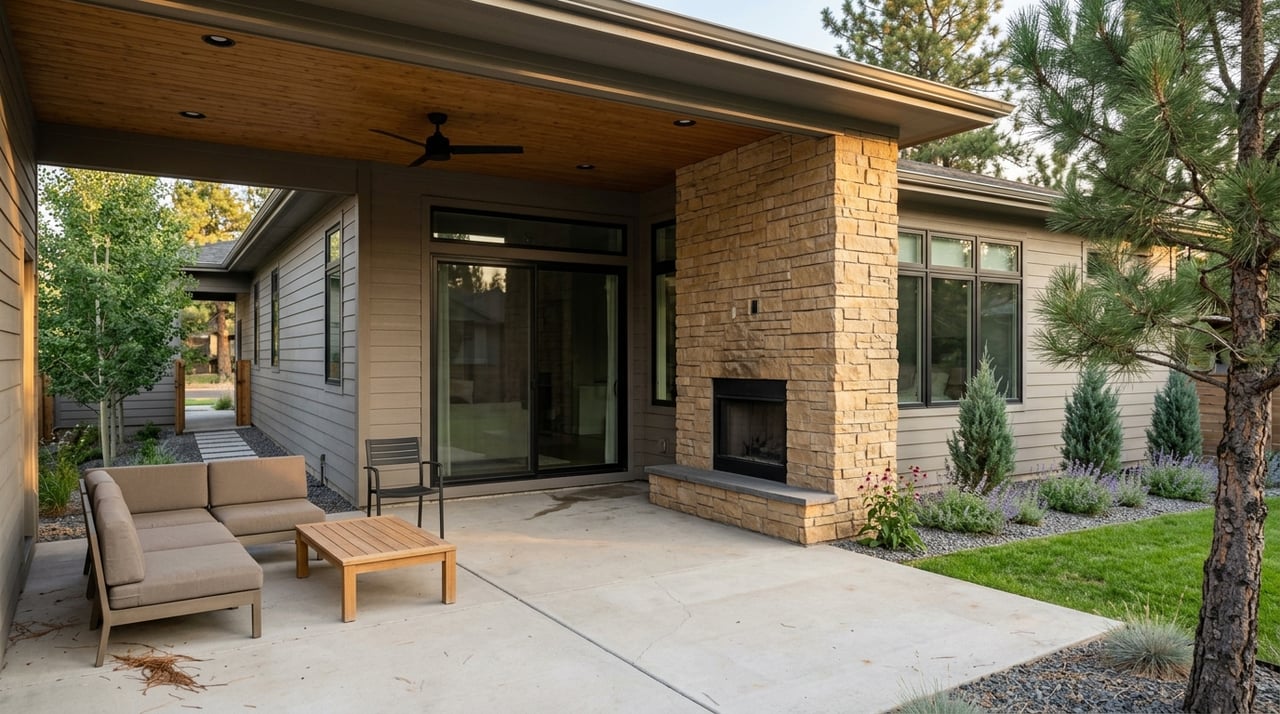
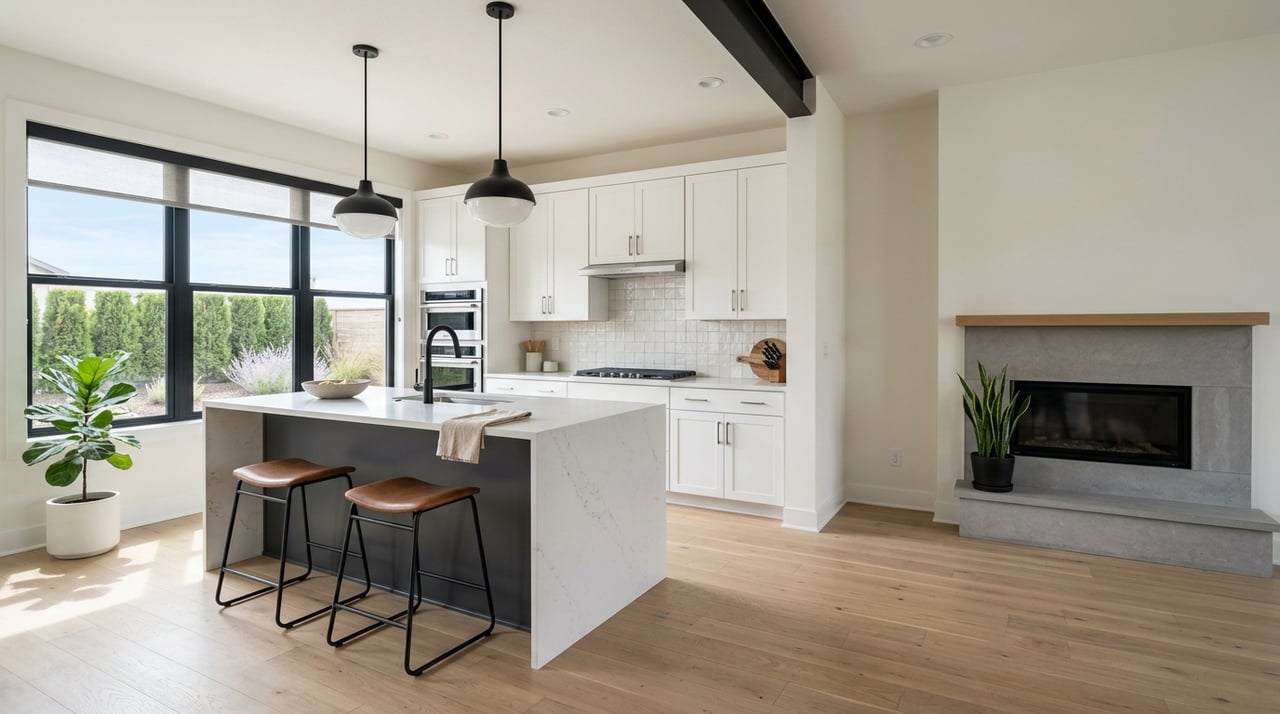
Value-Adding Improvements: Kitchen and bathroom updates deliver the strongest returns in Littleton's market. Energy-efficient upgrades resonate with environmentally-conscious buyers and reduce ongoing costs. Outdoor living improvements—patios, decks, fire pits—align with Colorado's outdoor lifestyle orientation. Fresh neutral paint throughout creates broad appeal. Landscape improvements including native plantings and xeriscaping reduce maintenance concerns while enhancing curb appeal.
Staging & Presentation: Staged homes in Littleton sell faster and often command 5-10% premiums. Local staging emphasizes: maximizing natural light (a major selling point in Colorado); showcasing mountain views where applicable; creating outdoor living vignettes on patios and decks; using earth tones and natural materials that complement the regional aesthetic; decluttering to emphasize space while maintaining warmth. Professional photography is essential—most buyers first encounter listings online.
Pricing Strategy: Current market data shows approximately 61% of listings experience price reductions before selling. Strategic pricing slightly below perceived market value often generates multiple offers and stronger final prices than aspirational initial pricing. Comparative market analysis should account for school district, HOA amenities, lot size, and condition—not just square footage and bedroom count. Properties priced correctly sell within 10-13 days; overpriced properties languish.
Local Economy & Employment Access
Littleton's economic profile benefits from proximity to major employment centers while maintaining a diverse local business community. The region's job market remains robust, with technology, healthcare, aerospace, and professional services driving growth.
Denver Tech Center Access
The Denver Tech Center (DTC), one of the region's largest employment hubs, sits 10-15 minutes east via C-470. Major employers include technology companies, financial services firms, and corporate headquarters. The area continues attracting new businesses, with tech workforce growth exceeding 12% since 2018. RTD bus connections supplement highway access, and the E Line light rail serves the DTC corridor from the broader metro system.
Major Area Employers
Lockheed Martin operates a major facility in Ken Caryl Valley, employing thousands in aerospace and defense. Swedish Medical Center serves as a major healthcare employer in the immediate area. The Denver metro's major employers including HCA HealthONE, DaVita, and numerous tech companies are all accessible within the commute shed. Remote and hybrid work arrangements have expanded employment options, with Denver ranking among the nation's top markets for remote-capable jobs.
Local Business Environment
Littleton's small business community thrives through active chamber support and community engagement. The city's Sustainable Business Partnership (launched 2024) supports local businesses in adopting environmental practices. Main Street's independent retailers, professional services, and dining establishments create local employment while maintaining community character. Arapahoe Community College provides workforce development and continuing education opportunities.
Neighborhood Subdivisions in Littleton
Littleton encompasses diverse neighborhoods ranging from historic urban to master-planned suburban communities. Understanding these distinct areas helps buyers identify locations matching their lifestyle preferences and budget.
Ken Caryl Ranch & Valley: Located 18 miles southwest of downtown Denver, Ken Caryl represents one of metro Denver's most desirable addresses. The community divides into three areas: Ken Caryl Ranch (north of C-470), The Plains (also north of C-470), and The Valley (south of C-470, nestled between foothills and the Hogback ridge). Home prices range from $400,000 to over $2 million, with custom Valley homes on premium lots commanding the highest prices. The 33,000+ resident community offers three recreation centers, pools, tennis courts, an equestrian center, and 20+ miles of trails. HOA fees support extensive amenities and open space maintenance. The area serves Jefferson County Public Schools including highly-rated Chatfield and Dakota Ridge High Schools.
Columbine & Columbine Valley: The Columbine area encompasses several neighborhoods including Columbine Hills, Columbine Knolls, and Columbine Valley (an incorporated town). Traditional homes from the 1970s-1990s dominate Columbine Hills and Knolls, with prices typically ranging $500,000-$958,000. Columbine Valley features more exclusive properties, including the Columbine Country Club and Polo Reserve gated community with homes exceeding $1 million. The area provides easy C-470 access and proximity to Chatfield State Park and botanical gardens. Schools serve Jefferson County Public Schools.
Historic Downtown & Surrounding Areas: The historic core includes Sterne Park neighborhood and areas immediately surrounding Main Street. Properties here feature character homes from various eras, walkable access to dining and entertainment, and light rail proximity. Home styles range from Victorian-era structures to mid-century ranches. Historic Downtown median prices approach $805,000, reflecting the premium for walkability and character. These neighborhoods serve Littleton Public Schools.
Chatfield Bluffs & Marston Lake Area: Chatfield Bluffs attracts buyers seeking proximity to Chatfield State Park, Denver Botanic Gardens at Chatfield Farms, and C-470 access. The neighborhood offers single-family homes, condos, and townhomes. The Marston Lake area includes Southwest Plaza mall access, Raccoon Creek Golf Course, and Grand Ranch master-planned community. Riverwalk condos and townhomes provide lower-maintenance options. These family-friendly communities feature abundant parks and playgrounds.
Roxborough & Sterling Ranch: Roxborough Park is a gated community of custom homes near Roxborough State Park, offering dramatic red-rock scenery and outdoor recreation access. Sterling Ranch represents newer development with diverse housing options from eco-friendly single-family homes to townhomes, designed to integrate with Colorado's natural landscape. The community features 30+ miles of trails and serves Douglas County schools.
Additional Notable Areas: Grant Ranch offers country club living with million-dollar estates. Mountain Rangeview provides luxury homes on irregularly-sized lots with horse-friendly properties. Shadycroft Acres features 1-2 acre equestrian-friendly lots. Trailmark surrounds residents with open space and trail access. Polo Reserve offers gated luxury adjacent to the Columbine Polo Club. Each neighborhood maintains distinct character while sharing Littleton's overall quality of life.
Why Move to Littleton?
Littleton offers a rare combination of attributes that explain its enduring appeal and competitive real estate market. For buyers evaluating South Metro Denver communities, several factors distinguish Littleton from alternatives.
Authentic Community Character: Unlike manufactured master-planned communities, Littleton's character evolved organically over 160+ years. Historic Downtown provides genuine small-town atmosphere with walkable dining, shopping, and entertainment. Community events like Western Welcome Week reflect authentic traditions rather than developer-created amenities. This authenticity creates lasting appeal that transcends real estate cycles.
Educational Excellence: Multiple high-performing school districts serve the area, with Littleton Public Schools earning the state's highest accreditation rating more times than any metro-area competitor. The 20%+ open enrollment rate demonstrates regional families choosing LPS schools over their assigned districts. This educational reputation protects property values and attracts family buyers.
Balanced Location: Littleton occupies a sweet spot: close enough to Denver for urban employment and cultural access, yet positioned at the mountain's edge for outdoor recreation. Light rail provides car-free downtown Denver access in 32 minutes. The Denver Tech Center sits 15 minutes away. Mountain trailheads begin within the city limits. This balance enables residents to access diverse experiences without choosing between urban convenience and outdoor lifestyle.
Outdoor Recreation Integration: Unlike suburbs where recreation requires driving to parks, Littleton integrates trails, open space, and natural areas into daily life. The South Platte corridor enables biking to breweries, kayaking to restaurants, and trail-running to coffee shops. Chatfield State Park's 5,380 acres provide wilderness experience within city limits. This integration appeals to Colorado's active population and supports long-term livability.
Investment Stability: Littleton's limited geographic expansion, combined with strong demand drivers, supports property value stability. The city's fiscal responsibility—quadrupling neighborhood street repairs through voter-approved funding—demonstrates proactive infrastructure maintenance. Historic preservation efforts protect community character. These factors combine to create an investment environment where values appreciate steadily rather than experiencing boom-bust volatility.
---
For buyers seeking genuine community character, excellent schools, outdoor recreation access, and balanced urban-suburban positioning, Littleton represents one of Colorado's most compelling residential choices. The combination of historic authenticity and modern amenities—connected by trails, served by transit, and grounded in strong civic institutions—explains why demand consistently exceeds supply in this distinctive South Metro community.