713,734 people live in Denver, where the median age is 35.2 and the average individual income is $61,202. Data provided by the U.S. Census Bureau.
Total Population
Median Age
Population Density Population Density This is the number of people per square mile in a neighborhood.
Average individual Income
Denver, Colorado's capital and largest city, stands as the cultural, economic, and recreational hub of the Rocky Mountain region. Known as the "Mile High City" for its elevation of exactly 5,280 feet above sea level, Denver combines the energy of a modern metropolis with unparalleled access to outdoor adventure and natural beauty.
The city encompasses 78 distinct official neighborhoods, each offering its own character and lifestyle. From the historic Victorian mansions of Capitol Hill to the trendy galleries and breweries of RiNo (River North Art District), from the upscale boutiques of Cherry Creek to the family-friendly streets of Washington Park, Denver delivers remarkable diversity within a cohesive urban fabric.
Denver's appeal lies in its unique balance. Residents enjoy world-class dining (the city earned its first Michelin Guide in 2024), a thriving arts and culture scene anchored by six major museums, championship professional sports, and a craft beer culture that has made Colorado famous. Yet within an hour's drive, they can ski world-class slopes, hike fourteener peaks, or escape to pristine wilderness.
The city enjoys over 300 days of sunshine annually, a semi-arid climate with four distinct seasons, and mild winters compared to its mountain neighbors. This combination of urban sophistication, outdoor lifestyle, and favorable climate has driven steady population growth, making Denver one of America's most desirable cities.
Denver attracts a diverse mix of residents united by their appreciation for active lifestyles and quality of life. The city's population of approximately 716,000 (with 2.9 million in the greater metro area) represents a blend of lifestyles and life stages.
Young Professionals: Neighborhoods like LoDo (Lower Downtown), RiNo, and Capitol Hill draw millennials and Gen Z residents seeking walkable urban living, vibrant nightlife, and proximity to tech employers. Denver's growing technology sector, including aerospace, renewable energy, and software companies, attracts talent from both coasts.
Families: Washington Park, Hilltop, Park Hill, and suburban communities like Highlands Ranch attract families prioritizing excellent schools, safe streets, and access to parks. These neighborhoods offer larger homes, tree-lined streets, and strong community connections.
Outdoor Enthusiasts: Denver's defining demographic cuts across all ages. From weekend skiers to daily trail runners, cyclists, and climbers, residents choose Denver specifically for mountain access. The city itself offers 850 miles of bike trails and 250 urban parks.
Professionals and Executives: Cherry Creek, Polo Club, Belcaro, and Cherry Hills Village attract high-net-worth individuals seeking luxury living, prestigious addresses, and proximity to upscale amenities while maintaining easy access to downtown and Denver Tech Center.
Students and Academics: With the University of Denver, University of Colorado Denver, Metropolitan State University, and numerous other institutions, Denver supports a significant academic community concentrated in neighborhoods like University Hills and near downtown campuses.
Denver occupies a strategic position in the South Platte River Valley, where Cherry Creek meets the South Platte River, approximately 12 miles east of the Front Range of the Rocky Mountains. The city spans 153 square miles at the western edge of the Great Plains.
Elevation and Terrain: The city's elevation ranges from 5,130 to 5,690 feet, with the official "Mile High" marker at the State Capitol steps. The terrain transitions from flat plains in the eastern sections to rolling hills in the north, west, and south. The Rocky Mountains, reaching heights exceeding 14,000 feet, create a dramatic western skyline visible from nearly anywhere in the city.
Regional Position: Denver anchors the Front Range Urban Corridor stretching from Fort Collins to Pueblo. It lies approximately 100 miles south of Cheyenne, Wyoming, and 100 miles north of Colorado Springs. The city serves as a natural distribution hub, being the largest city within 500 miles in any direction.
Climate: Denver features a semi-arid continental climate with four distinct seasons, low humidity (typically 40-50%), and approximately 3,100 hours of sunshine annually. Average annual precipitation totals 14.5 inches, with snowfall averaging 57 inches, though snow rarely accumulates for extended periods due to intense sun and warm chinook winds. Summer temperatures average in the low 70s°F, while January averages around 30°F.
Surrounding Communities: The metro area includes Arvada, Aurora, Boulder (25 miles northwest), Brighton, Broomfield, Cherry Hills Village, Englewood, Golden (12 miles west), Lakewood, Littleton, Northglenn, Thornton, Westminster, and Wheat Ridge.
Denver's housing market has entered a phase of stabilization following the pandemic-era frenzy. As of late 2025, conditions favor balanced negotiations between buyers and sellers.
|
Metric |
Current Data (Late 2025) |
|
Median Home Price (Overall) |
$575,000 - $615,000 |
|
Detached Single-Family Homes |
$584,000 - $650,000 |
|
Attached Homes (Condos/Townhomes) |
$390,000 - $400,000 |
|
Year-Over-Year Price Change |
+1% to +2.5% |
|
Median Days on Market |
29-36 days |
|
Active Inventory (vs. 2021) |
Up 400%+ (from ~1,900 to ~9,700) |
|
Months of Inventory |
3.5-3.8 months |
|
Market Conditions |
Balanced/Slight Buyer Advantage |
Market Outlook: Analysts forecast modest appreciation of 2-4% annually through 2026-2027. The market has recalibrated from pandemic extremes, with bidding wars becoming rare and buyers regaining negotiating leverage. Seller concessions and price reductions have become more common, particularly in the condo segment, which has softened more than single-family homes.
Altitude Adjustment: At 5,280 feet, Denver's thin air requires acclimatization. Expect fatigue, headaches, and reduced exercise tolerance for 1-2 weeks. Stay hydrated (the dry climate accelerates dehydration), limit alcohol for the first 48 hours, and gradually increase physical activity. UV exposure is significantly more intense—sunscreen is essential year-round.
Best Moving Seasons: Target April-May or September-October for optimal weather and reasonable moving rates. Summer (June-August) offers predictable weather but premium pricing. Winter moves are cheapest but require contingency plans for snow.
Neighborhood Research: Denver's 78 neighborhoods vary dramatically in character, price, and lifestyle. Visit at different times of day and week. Use the /r/Denver subreddit and neighborhood-specific Facebook groups for unfiltered resident perspectives on parking, noise, safety, and community feel.
Cost of Living: Denver runs approximately 11% above the national average. Budget accordingly for housing, which represents the primary cost differential. However, Colorado has no estate tax, and state income tax is a flat rate lower than coastal states.
Vehicle Registration: Colorado requires vehicle registration within 90 days of establishing residency. Visit the DMV website early—appointments book quickly. Colorado also has specific emissions testing requirements for vehicles.
Utilities Setup: Denver Water handles water service; Xcel Energy provides gas and electric for most areas. Begin setup at least two weeks before move-in. Internet providers vary by neighborhood—research options specific to your address.
Flood Zones: Denver contains significant FEMA-designated flood hazard areas, particularly along the South Platte River, Cherry Creek corridor, and Lakewood Gulch. Properties in high-risk zones (A, AE, AH, AO) require flood insurance for federally-backed mortgages. Check Denver's floodplain map before purchasing—two homes blocks apart can have vastly different risk profiles. Even "low-risk" zones have flooded during major storm events like 2013.
Wildfire Risk: While urban Denver itself has minimal wildfire exposure, foothill and mountain properties within the metro area face significant risk. Check wildfire hazard maps and verify the community is a Firewise USA site. Insurance availability has become limited in high-risk areas—confirm coverage before committing to purchase. Properties may require defensible space maintenance.
HOA Considerations: Many Denver neighborhoods, especially newer developments and luxury communities like Polo Club, have homeowners associations. Review HOA documents carefully for fees (which can range from $200 to $1,000+ monthly), restrictions, reserve funds, and any pending special assessments.
Property Age and Condition: Denver's housing stock ranges from 1880s Victorians to new construction. Older homes in historic neighborhoods (Capitol Hill, Washington Park, Park Hill) often feature beautiful craftsmanship but may have aging systems, foundation issues, or outdated electrical. Budget for comprehensive inspections including sewer scope, radon testing (Colorado has elevated radon levels), and structural assessment.
School Districts: Denver Public Schools operates as a single district encompassing the city, but school quality varies significantly by neighborhood. The district achieved an "Accredited" (green) rating in 2025 for the first time since 2019. Research specific schools using Colorado Department of Education ratings—boundaries don't always follow intuitive neighborhood lines.
Parking: Many desirable urban neighborhoods (Capitol Hill, Uptown, portions of Highlands) have limited or no garage parking. Street parking can be challenging, especially during snow emergencies when alternate-side rules take effect. Factor this into your search if vehicle storage matters.
Market Speed: While not as frenzied as 2021-2022, well-priced, move-in-ready homes in desirable neighborhoods still attract multiple offers and sell quickly. Have financing pre-approved and be prepared to act decisively.
Seasonality: Denver's market follows predictable seasonal patterns. Listing in late March through May captures the spring buying surge. September offers a secondary peak. Winter listings face reduced buyer pools but less competition. Avoid listing during major holidays or the deep of winter (December-February) unless circumstances require it.
Pricing Strategy: The 2025 market punishes overpricing. Homes priced above market sit longer and often sell for less than appropriately priced properties. Work with an agent who understands micro-market conditions—pricing strategies differ between neighborhoods. Price reductions have become common, so pricing correctly from the start is crucial.
Staging and Presentation: Professional staging has become increasingly important as buyers regain leverage. Move-in-ready homes with updated finishes command premium pricing. Consider professional photography, virtual tours, and strategic staging to differentiate your listing in a more competitive environment.
Buyer Demographics: Understanding your likely buyer pool shapes marketing strategy. Luxury properties ($1M+) attract different buyers than starter homes. Urban condos appeal to young professionals; suburban homes draw families. Tailor marketing channels and messaging accordingly.
Value-Adding Upgrades: Kitchen and bathroom updates deliver the strongest returns. Energy-efficient windows, modern HVAC systems, and smart home features appeal to efficiency-conscious Colorado buyers. Outdoor living spaces (decks, patios, landscaping) carry extra weight given Denver's outdoor-focused lifestyle.
Seller Concessions: Be prepared to negotiate. Today's buyers expect to discuss closing cost assistance, repair credits, and other concessions. Flexibility can accelerate sale timelines and attract stronger offers in the current market.
Denver's culinary scene has achieved national recognition, earning its inaugural Michelin Guide in 2024. The city reported over 300 new restaurant and bar openings in 2025 alone, demonstrating the dynamism of its food and beverage industry.
Fine Dining: Michelin-starred restaurants include Alma Fonda Fina (Mexican), Kizaki (omakase), and Margot. Chef Johnny Curiel's restaurant empire spans multiple acclaimed concepts. The farm-to-table movement thrives in establishments throughout Larimer Square and RiNo.
Neighborhood Highlights: RiNo houses converted warehouses now hosting breweries, galleries, and innovative restaurants. The Source Hotel and Stanley Marketplace provide curated food hall experiences. Cherry Creek North offers upscale dining alongside boutique shopping. South Broadway delivers eclectic, locally-owned spots.
Craft Beverages: Colorado pioneered the American craft beer movement. Denver proper contains dozens of breweries, with concentrations in RiNo, Highlands, and downtown. The city also supports thriving craft distillery and cocktail scenes.
Entertainment Venues: Red Rocks Amphitheatre, 15 minutes from downtown, ranks among the world's premier concert venues. Ball Arena hosts major tours and professional sports. The Denver Performing Arts Complex is the nation's second-largest performing arts center. Mission Ballroom in RiNo has become a nationally recognized mid-size venue.
Cultural Institutions: Six world-class museums anchor the cultural scene, including the Denver Art Museum (renowned for American Indian and Western art), Denver Museum of Nature & Science, and the immersive Meow Wolf: Convergence Station.
Denver serves as the retail capital of the Rocky Mountain West, offering everything from luxury boutiques to outlet centers and independent shops.
Cherry Creek: The combination of Cherry Creek Shopping Center (indoor) and Cherry Creek North (outdoor district) creates the region's premier shopping destination. Together they house over 300 stores, including 40 exclusive to the area, plus 75+ cafes and restaurants. Luxury brands include Saks Fifth Avenue, Neiman Marcus, Tiffany & Co., Louis Vuitton, and Burberry.
16th Street Mall: This mile-long pedestrian promenade through downtown features a mix of national retailers, local shops, and entertainment venues at Denver Pavilions. A free shuttle runs the length of the mall.
Larimer Square: Denver's original commercial block now houses high-end boutiques, galleries, and restaurants in beautifully preserved Victorian buildings. This is where locals find cutting-edge fashion and specialty items.
Neighborhood Districts: South Pearl Street offers locally-owned boutiques and a popular farmers' market. South Broadway (Antique Row) spans 18 blocks of vintage shops and galleries. Highlands Square in northwest Denver features funky gifts, handmade goods, and independent boutiques. Tennyson Street hosts First Friday Art Walks.
Malls and Centers: Park Meadows in Lone Tree serves the southern suburbs with upscale retailers. Colorado Mills in Lakewood offers the metro area's only indoor outlet mall. Flatiron Crossing in Broomfield anchors the northern metro.
Groceries: King Soopers (Kroger) and Safeway provide conventional grocery options throughout the metro. Whole Foods, Natural Grocers, and Sprouts serve the health-conscious market. Specialty ethnic markets concentrate along Federal Boulevard and in Aurora.
Denver maintains the nation's largest public parks system, encompassing nearly 20,000 acres of city and mountain parkland, 250+ urban parks, and approximately 850 miles of paved and off-street trails.
Major Urban Parks: City Park (330 acres) serves as Denver's Central Park, housing the Denver Zoo and Museum of Nature & Science. Washington Park ("Wash Park") offers two lakes, gardens, athletic facilities, and 2.6-mile jogging path—consistently ranked Denver's best neighborhood. Cheesman Park provides crushed granite trails and downtown skyline views. Sloan's Lake Park surrounds the city's largest lake with a 2.6-mile walking trail popular for paddleboarding and kayaking.
Trail Systems: Cherry Creek Trail runs 40 miles from downtown to Franktown. High Line Canal Trail extends 71 miles through multiple counties. South Platte River Trail connects 30 miles of riverside paths. These interconnected systems enable multi-use recreation from commuting to long-distance cycling.
Mountain Parks: Red Rocks Park features the iconic amphitheater plus hiking trails through dramatic sandstone formations. Lookout Mountain and Mount Falcon Park offer accessible day hikes within 30 minutes of downtown. Rocky Mountain Arsenal National Wildlife Refuge, just 15 minutes from the city, provides prairie trails and wildlife viewing including bison and eagles.
State Parks: Chatfield State Park offers boating, camping, and trails southwest of the city. Castlewood Canyon provides canyon hiking and rock climbing. Cherry Creek State Park delivers water recreation within the metro area. Staunton State Park, Colorado's newest, features climbing and extensive trail systems.
Golf: Over 200 public and resort courses operate throughout the metro area and mountains. City Park Golf Course offers convenient urban play. Mountain courses at elevations exceeding 9,000 feet provide unique high-altitude experiences.
Winter Recreation: Eleven world-class ski resorts lie within 1-2 hours of downtown, including Vail, Breckenridge, and Keystone. Winter Park Resort is part of Denver's municipal park system. Cross-country skiing, snowshoeing, and ice skating opportunities abound both in town and in nearby mountain areas.
Denver's calendar fills with signature events celebrating its Western heritage, cultural diversity, and outdoor lifestyle.
National Western Stock Show (January): This 16-day event is the nation's premier livestock, rodeo, and horse show, attracting over 700,000 visitors annually to the National Western Complex. It has run continuously since 1906.
Denver Colfax Marathon (May): Denver's only marathon spans seven miles of rivers, lakes, and bridges, with multiple race distances over two days.
Cinco de Mayo Festival (May): One of the nation's largest Cinco de Mayo celebrations draws over 300,000 attendees to Civic Center Park for food, music, and cultural celebration.
Denver PrideFest (June): The Rocky Mountains' largest LGBTQ+ celebration features a parade, live performances, and community gathering in Civic Center Park.
Juneteenth Music Festival (June): One of the nation's largest Juneteenth celebrations takes place in the historic Five Points neighborhood with a parade, live music, and community events.
Cherry Creek Arts Festival (July): A premier juried fine art show featuring 250+ artists, this three-day event fills the Cherry Creek North shopping district.
Colorado Black Arts Festival (July): This free annual celebration honors African American art and culture in historic City Park West with live music, art shows, and cultural programming.
City Park Jazz (Summer): Free Sunday evening concerts in City Park have run since 1986, becoming a beloved summer tradition.
Denver Film Festival (November): Now in its 48th year, this festival showcases hundreds of films across multiple venues over two weeks.
Holiday Events (November-December): Denver Christkindlmarket brings German traditions to downtown. Blossoms of Light transforms Denver Botanic Gardens. Zoo Lights illuminates Denver Zoo. The Mile High Tree creates a 110-foot immersive art installation downtown.
Denver Public Schools (DPS) serves approximately 144,000 students across 312 schools, including traditional public schools, charter schools, and magnet programs. The district achieved an "Accredited" (green) rating from the Colorado Department of Education in 2025—its first since 2019.
Public School Performance: School quality varies significantly by neighborhood. Top-rated elementary schools include Polaris Elementary, Dennison Elementary, and Challenge School. The district's magnet and choice programs offer specialized education in STEM, arts, and international baccalaureate curricula.
Charter Schools: Denver has one of the nation's most robust charter school sectors, providing extensive school choice. DSST Public Schools, Denver School of the Arts, and KIPP Colorado operate highly regarded campuses throughout the city.
Private Schools: Over 100 private schools serve approximately 18,500 students. Notable institutions include Denver Jewish Day School, Kent Denver School, Graland Country Day School, and Colorado Academy.
Surrounding Districts: Suburban districts including Boulder Valley School District, Littleton Public Schools, and Cherry Creek Schools consistently rank among Colorado's top-performing districts, attracting families to adjacent communities.
Preschool: Denver Preschool Program provides tuition support for 4-year-olds at over 250 licensed preschools. Universal pre-K expansion has increased early childhood options significantly.
Higher Education: The University of Denver (private, established 1864) anchors the University Hills neighborhood. University of Colorado Denver and Metropolitan State University serve downtown. Regis University operates in northwest Denver. Over 150,000 students enroll in Colorado universities annually, with many remaining in Denver post-graduation.
Denver's transportation network combines extensive highway access with a growing transit system, though traffic congestion during peak hours remains a common complaint.
RTD Transit: The Regional Transportation District operates 10 rail lines (113 miles of track), 170+ bus routes, and 96 Park-n-Ride facilities. The A Line connects Denver International Airport to Union Station in 37 minutes. Light rail serves corridors to Golden (W Line), Littleton (C/D Lines), Aurora (R Line), Lone Tree (E Line), and Thornton (N Line). Union Station in LoDo serves as the central transit hub.
Major Highways: I-25 runs north-south through the metro area. I-70 provides east-west access and mountain corridor travel. I-225 serves the eastern suburbs. E-470 and the Northwest Parkway provide toll-road options around the perimeter. US-36 connects Denver to Boulder with express lanes.
Commute Times: Average one-way commute is approximately 25 minutes, slightly below the national average. However, I-25 corridor congestion can significantly extend travel times during rush hours. Mountain corridor traffic (I-70) experiences severe weekend congestion during ski season.
Cycling Infrastructure: Denver offers over 267 miles of dedicated bike paths and lanes. The city actively promotes cycling through protected bike lanes downtown and connections to regional trail systems. B-Cycle bike-share stations are distributed throughout central neighborhoods.
Airport Access: Denver International Airport (DEN), located 23 miles northeast of downtown, ranks among the nation's busiest airports. It offers direct flights to virtually any major destination in North America and extensive international service.
Walkability: Walkability varies dramatically by neighborhood. Downtown, LoDo, Capitol Hill, Cherry Creek North, and portions of Highlands offer excellent walkability. Suburban neighborhoods typically require vehicle access for daily needs.
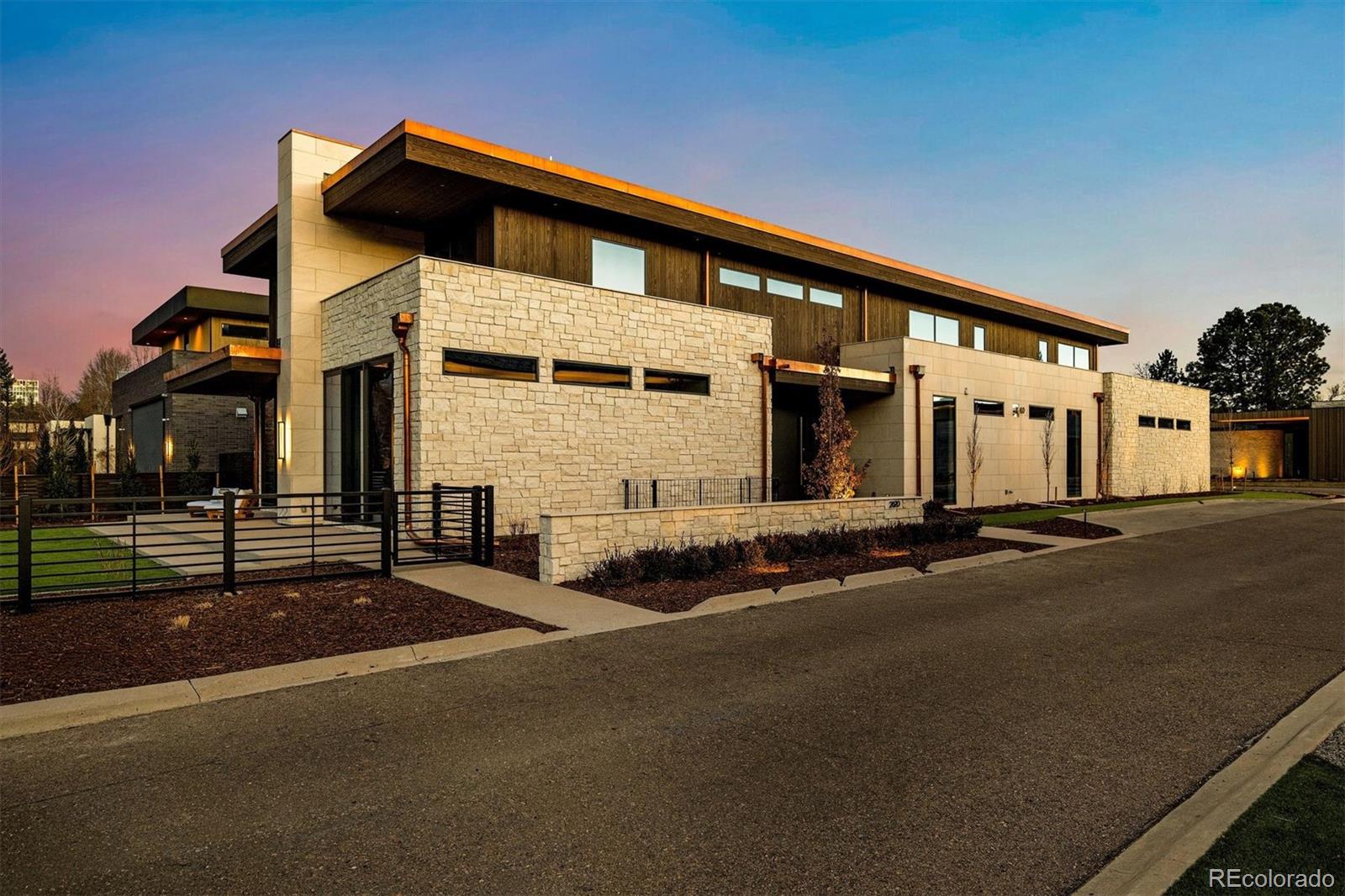
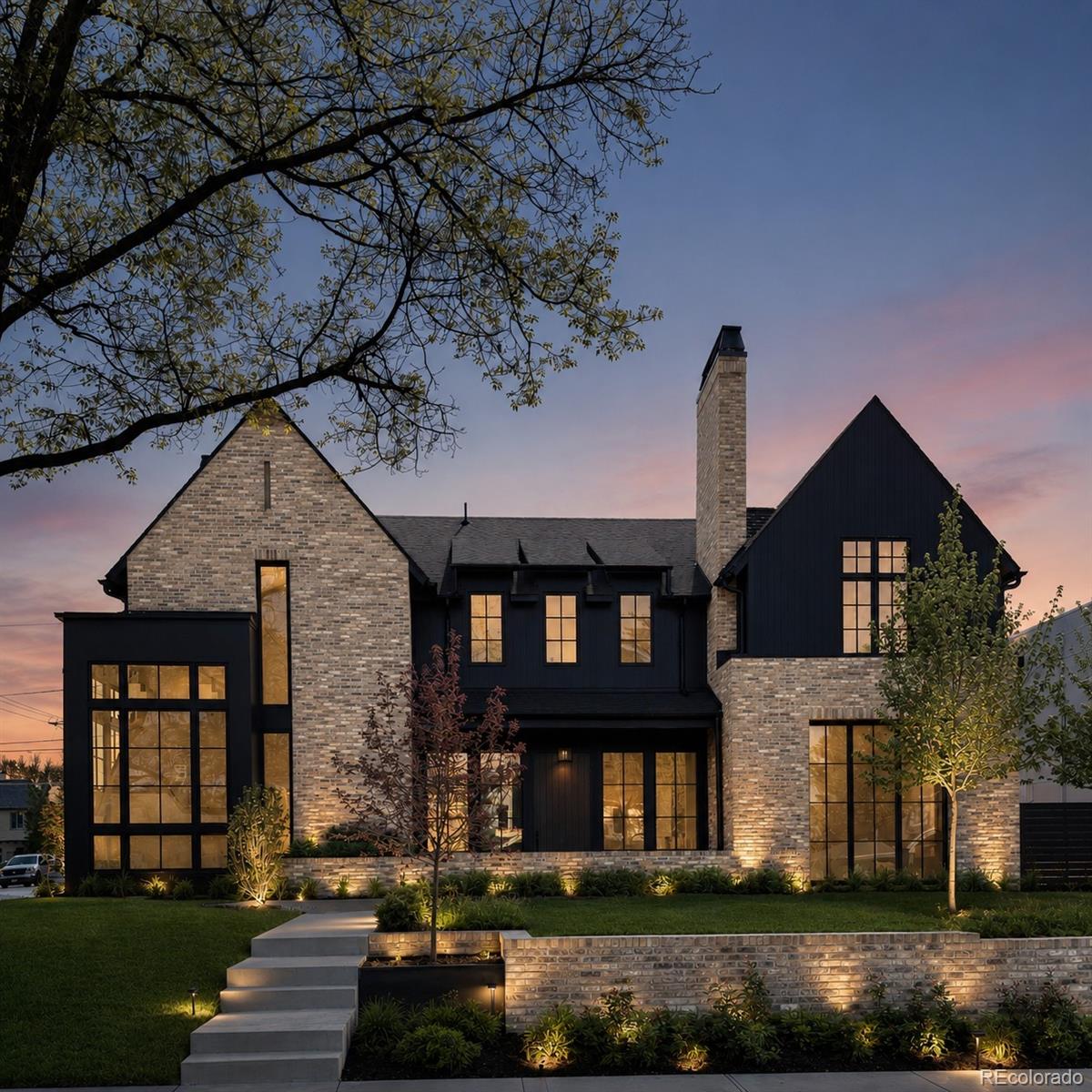
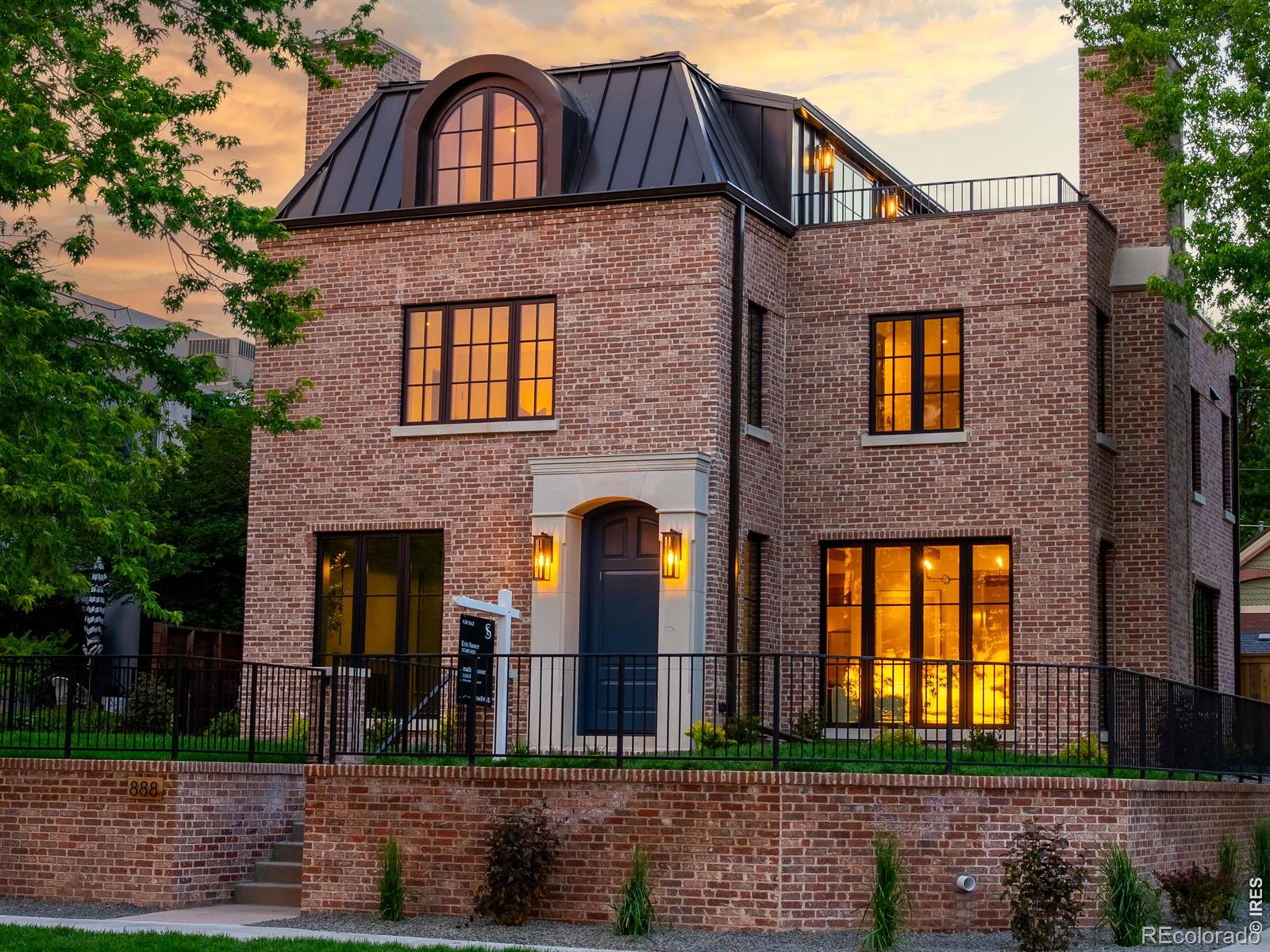
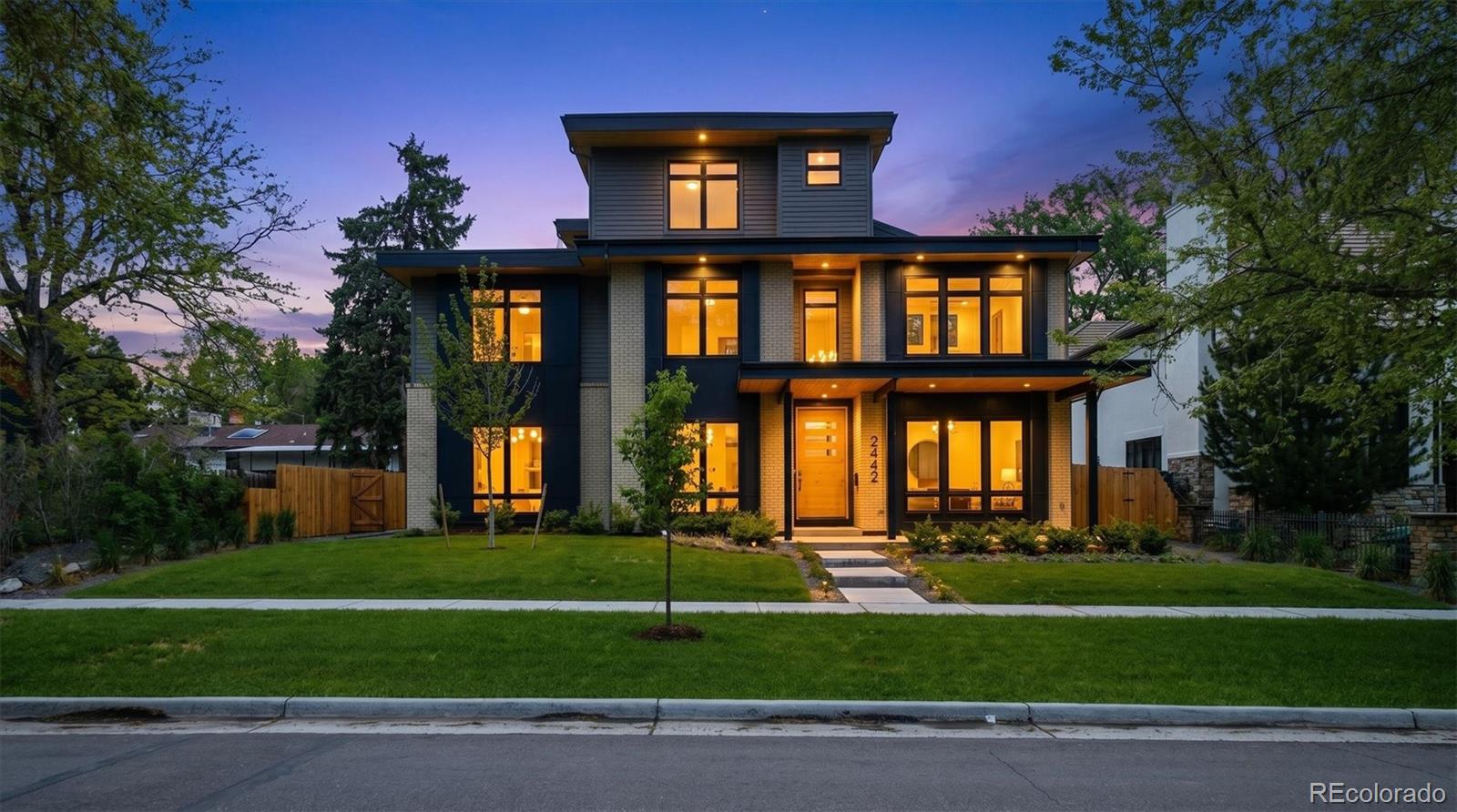
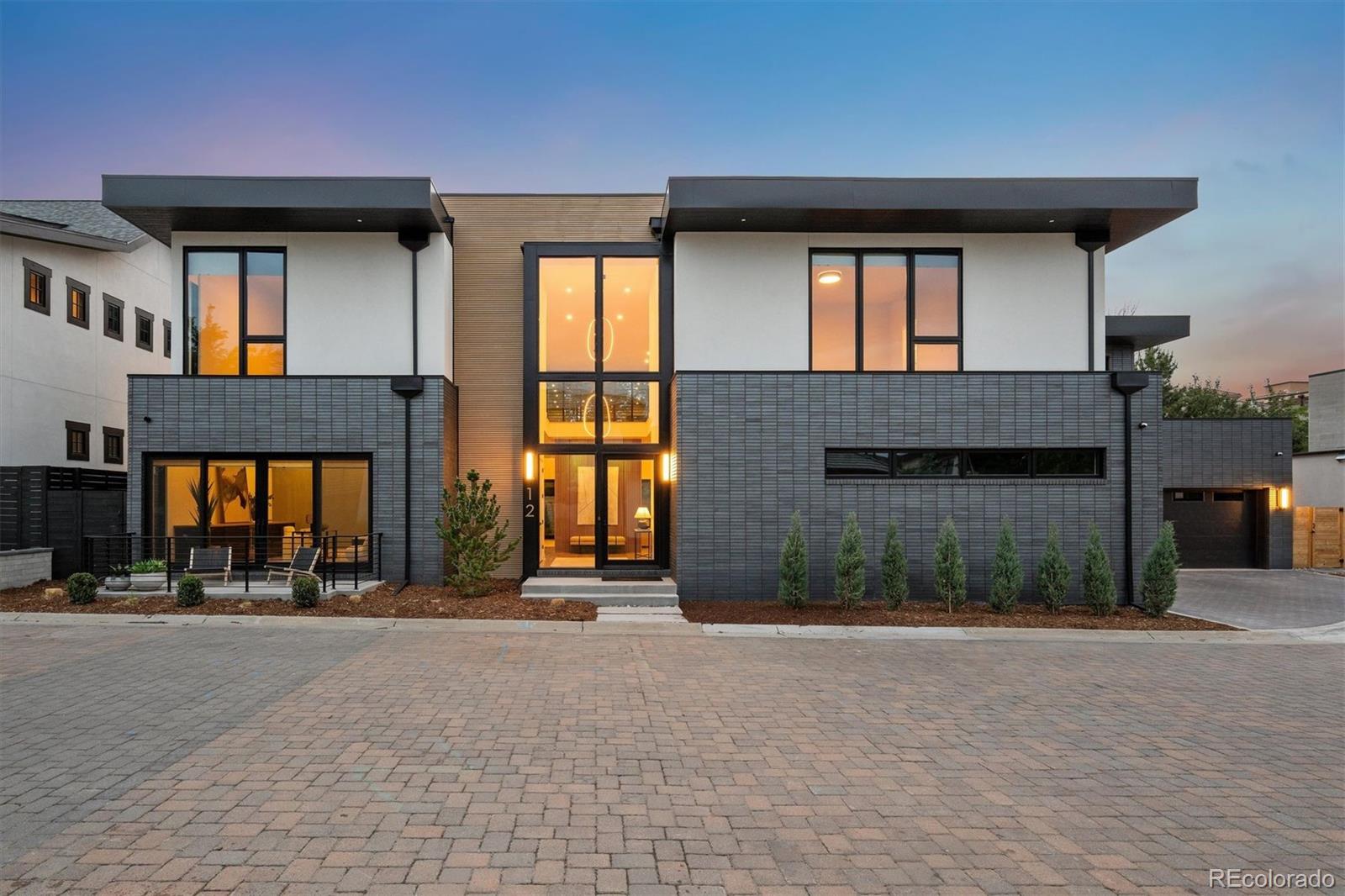
Denver's luxury market concentrates in specific neighborhoods and micro-locations that command premium pricing and offer distinctive prestige.
Denver Country Club: Denver's most exclusive address features private streets, security gates, and historic estates dating to the early 1900s. Homes wrap around the prestigious Denver Country Club. Membership and residence often overlap, integrating owners into Denver's established social fabric. Expect prices from $2M to $10M+.
Polo Club: This gated enclave south of Cherry Creek Mall houses mega-mansions on expansive lots behind stone walls and wrought-iron gates. Once home to Denver's polo-playing elite, the neighborhood now features custom estates in Greek Revival, Tudor, Gothic, and contemporary styles. Prices range from $1.5M to $4M+. Nearby Polo Club North offers semi-custom patio homes at lower price points.
Cherry Hills Village: This independent municipality south of Denver attracts ultra-high-net-worth buyers seeking estate properties with acreage, privacy, and exclusivity. Cherry Hills Country Club anchors the community. Properties routinely exceed $3M, with exceptional estates reaching $10M+.
Hilltop: Tree-lined streets and spacious lots define this established neighborhood between Cherry Creek and Observatory Park. Hilltop attracts families wanting Cherry Creek access without urban density. Mid-century and contemporary homes mix with traditional styles. Median prices around $2M.
Washington Park: Historic bungalows and Craftsman homes on streets adjacent to the park command premiums. Homes with direct park views are particularly sought after. Median prices approach $1.9M, with exceptional properties exceeding $3M.
Observatory Park: Named for the University of Denver's historic Chamberlin Observatory, this neighborhood offers a mix of custom builds, luxury townhouses, and established homes. Strong community character and excellent schools drive demand. Median prices around $1M-$1.5M.
Belcaro: Adjacent to the Denver Country Club, Belcaro features opulent mansions, lush gardens, and gated properties. The neighborhood attracts those seeking privacy and grandeur within city limits. Comparable pricing to Hilltop and Cherry Creek.
Denver rewards those who value balance—the ability to enjoy sophisticated urban amenities while maintaining easy access to wilderness, adventure, and natural beauty.
-Outdoor enthusiasts who want mountain access without sacrificing urban convenience
-Professionals in technology, aerospace, energy, and healthcare sectors
-Families seeking strong schools, safe neighborhoods, and active lifestyles
-Food and culture lovers who appreciate a maturing dining scene and arts community
-Those escaping coastal housing costs who seek better value without sacrificing quality of life
-Sun-seekers who want 300+ days of sunshine annually
-Sports fans with access to NFL, NBA, NHL, MLB, MLS, and lacrosse franchises
Denver's trajectory points toward continued growth and evolution. The city has successfully positioned itself as a lifestyle destination that competes with larger coastal metros while maintaining its distinctive Western character and access to natural beauty. For those whose priorities align with what Denver offers—sunshine, outdoor recreation, professional opportunity, and cultural vibrancy—the Mile High City delivers a compelling quality of life that explains its enduring appeal.
There's plenty to do around Denver, including shopping, dining, nightlife, parks, and more. Data provided by Walk Score and Yelp.
Explore popular things to do in the area, including Taco Bar, Alpha Life Fitness, and The Barbery.
| Name | Category | Distance | Reviews |
Ratings by
Yelp
|
|---|---|---|---|---|
| Dining · $ | 4.92 miles | 7 reviews | 4.9/5 stars | |
| Active | 3.36 miles | 12 reviews | 5/5 stars | |
| Beauty | 1.74 miles | 4 reviews | 5/5 stars | |
|
|
||||
|
|
||||
|
|
||||
|
|
||||
|
|
||||
|
|
Denver has 329,578 households, with an average household size of 2.12. Data provided by the U.S. Census Bureau. Here’s what the people living in Denver do for work — and how long it takes them to get there. Data provided by the U.S. Census Bureau. 713,734 people call Denver home. The population density is 4,662.66 and the largest age group is Data provided by the U.S. Census Bureau.
Total Population
Population Density Population Density This is the number of people per square mile in a neighborhood.
Median Age
Men vs Women
Population by Age Group
0-9 Years
10-17 Years
18-24 Years
25-64 Years
65-74 Years
75+ Years
Education Level
Total Households
Average Household Size
Average individual Income
Households with Children
With Children:
Without Children:
Marital Status
Blue vs White Collar Workers
Blue Collar:
White Collar:
Partner with Mile High Home Group and experience a dedicated, collaborative approach to real estate. From initial consultation to closing, we’re here to listen, guide, and help you achieve success in every step of your journey.