By Mile High Home Group
We get it; buying a home in Littleton is exciting. But before you fall in love with the kitchen or start dreaming about backyard BBQs, there’s one critical step you can’t overlook: the home inspection. A thorough home inspection before buying protects your investment, uncovers hidden issues, and gives you the leverage you need to move forward with confidence. Whether it’s your first purchase or your fifth, here’s everything you need to know about how inspections work and why they matter.
Key Takeaways
- A home inspection gives you a clear look at the property’s condition
- It’s your chance to uncover costly repairs before closing
- Inspections don’t pass or fail; they inform your decision
- Use your inspection report to negotiate repairs or credits
What Is a Home Inspection?
A home inspection is a non-invasive, professional evaluation of a property’s major systems and components. It’s not required by law, but it’s a smart, standard step in almost every real estate transaction.
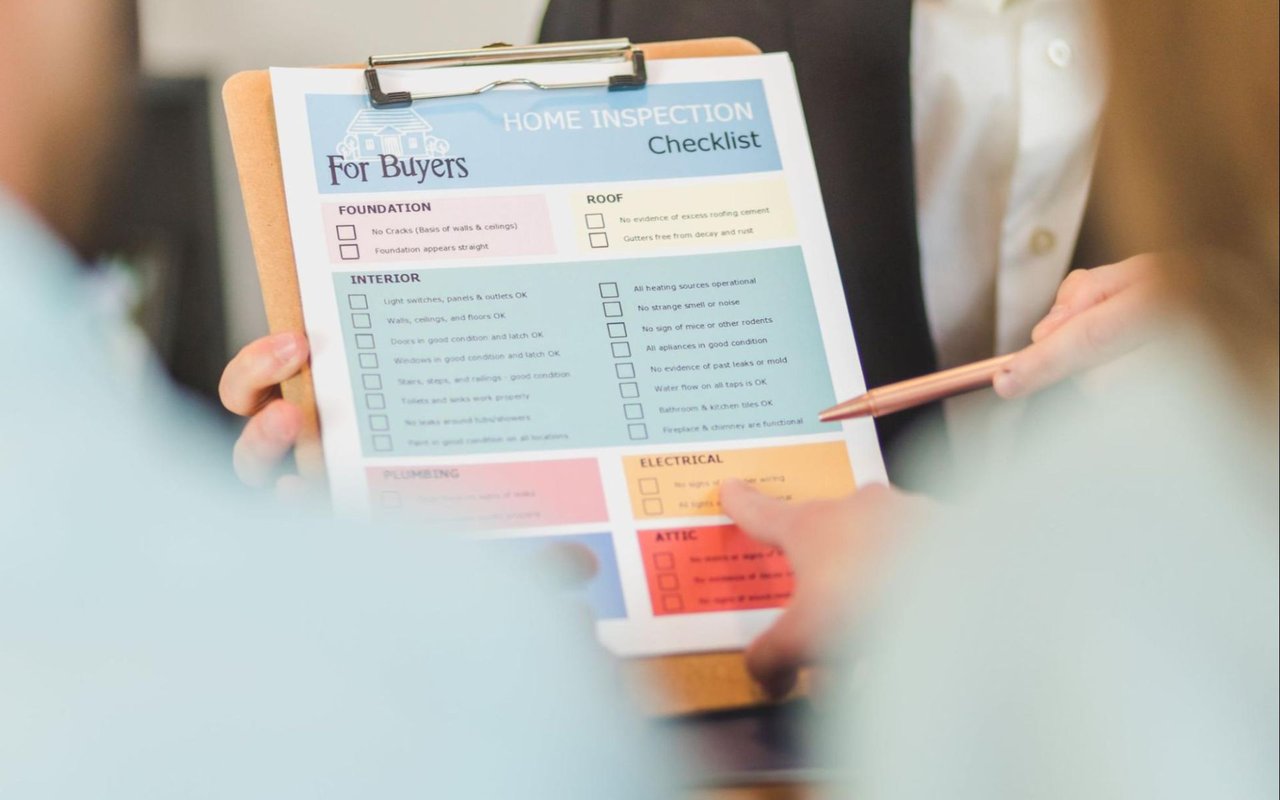
What the Inspector Looks At
- Roof, gutters, and attic ventilation
- Plumbing and electrical systems
- Foundation, structure, and visible framing
- Heating and cooling systems (HVAC)
- Appliances, windows, doors, and insulation
- Interior and exterior condition
- Drainage, grading, and signs of water damage
In Littleton, where older homes and varied soil conditions are common, a detailed inspection can save you from expensive surprises later on.
When the Inspection Happens
Once your offer is accepted, you’ll enter the due diligence phase of the contract. This is when you’ll schedule and complete your inspection, usually within 5 to 10 days.
Key Timing Tips
- Schedule your inspection quickly after going under contract
- Be present if possible—you’ll learn a lot from walking through it
- Plan for 2–4 hours, depending on the home’s size and condition
- Expect the full report within 24–48 hours after the inspection
We help our clients coordinate with top local inspectors so the process is smooth, thorough, and fast.
What the Report Tells You
After the inspection, you’ll receive a detailed report that outlines the home’s current condition, including recommended repairs, safety concerns, and maintenance tips.
What to Look for in the Report
- Major issues like roof leaks, foundation cracks, or outdated wiring
- Safety hazards like mold, radon, or faulty electrical panels
- Deferred maintenance that may need attention soon
- Estimates or recommendations for further specialist evaluations
Remember: no home is perfect. Even brand-new builds often come with a list of minor items. The goal is to understand what you’re getting and what it may cost to fix.
What’s Not Included in a Standard Inspection
It’s important to know what’s beyond the scope of a general home inspection. You can always order add-on services if needed.
Common Exclusions
- Sewer scope to check underground lines
- Radon testing, especially in basements
- Mold testing or air quality assessments
- Pest or termite inspections
- Well or septic system evaluations (if applicable)
In Littleton, we often recommend radon and sewer scope inspections due to the area’s geology and infrastructure age.
How to Use the Results
Once you’ve reviewed your report, you’ll work with your agent (that’s us!) to decide what to do next. This is where the inspection becomes a powerful tool, not a deal-breaker.
Smart Ways to Respond
- Request repairs from the seller
- Negotiate a price reduction or closing credit
- Ask for a home warranty to cover aging systems
- Walk away if the issues are too big or costly
We help our buyers navigate this phase carefully, protecting your interests without putting the deal at risk unnecessarily.
FAQs
Can I skip a home inspection if the house looks fine?
You could, but we strongly advise against it. Even the best-looking homes can hide problems that only a trained eye can catch.
Does the seller have to fix everything?
No. They’re not obligated to agree to your requests, but they often will negotiate to keep the sale on track.
What happens if the inspection reveals major issues?
You can renegotiate, request repairs, or cancel the contract during the inspection period without penalty. That’s the point of due diligence.
Contact Mile High Home Group Today
At Mile High Home Group, we believe a smart buyer is an informed buyer. Getting a home inspection before buying is one of the most important steps you can take to protect your investment and your peace of mind. We’ll help you connect with trusted inspectors, review your report, and make confident decisions every step of the way.
Reach out to us at Mile High Home Group, and let’s make sure your next move in Littleton is built on solid ground.