Colorado is known for its fresh mountain air, but that doesn’t always extend inside your home. Between hot, dry summers, tightly sealed windows in the winter, and everyday indoor pollutants, the air inside many Littleton homes could be cleaner than it is. If you’ve ever wondered how to improve the air quality of your home, the good news is it doesn’t have to be complicated, and a few key changes can make a noticeable difference.
Why Indoor Air Quality Shouldn’t Be Overlooked
It’s easy to assume that indoor air is automatically cleaner than what’s outside, especially in a beautiful place like Littleton. But the truth is, pollutants from cleaning products, dust, pet dander, and even off-gassing from furniture and flooring can quietly build up in your home over time.
And because Littleton experiences all four seasons, most homes stay sealed up for long stretches of the year, limiting airflow. That means contaminants get trapped indoors, often circulating through the HVAC system again and again. For families with allergies, asthma, or young kids, those indoor air irritants can cause noticeable discomfort.
Fortunately, there are several easy and effective ways to freshen the air inside your home, many of which are low-cost and quick to implement.
And because Littleton experiences all four seasons, most homes stay sealed up for long stretches of the year, limiting airflow. That means contaminants get trapped indoors, often circulating through the HVAC system again and again. For families with allergies, asthma, or young kids, those indoor air irritants can cause noticeable discomfort.
Fortunately, there are several easy and effective ways to freshen the air inside your home, many of which are low-cost and quick to implement.
Upgrade Your Air Filters, And Change Them Regularly
A good place to start is with your HVAC system. The air filter in your furnace or air conditioning unit plays a major role in trapping dust, pollen, and other airborne particles. However, many homeowners either forget to change these filters or opt for low-grade versions that don’t catch much.
If you're serious about improving the air quality of your home, invest in high-efficiency filters and look for ones rated MERV 8 or higher, depending on your system’s capacity. In Littleton, where outdoor allergens like cottonwood and ragweed are common, changing filters every 60–90 days is a good rule of thumb, especially during peak heating or cooling seasons.
If you're serious about improving the air quality of your home, invest in high-efficiency filters and look for ones rated MERV 8 or higher, depending on your system’s capacity. In Littleton, where outdoor allergens like cottonwood and ragweed are common, changing filters every 60–90 days is a good rule of thumb, especially during peak heating or cooling seasons.
Ventilation: Let Your House Breathe
Proper ventilation is essential, particularly in energy-efficient homes that are tightly sealed. While that energy efficiency is great for your utility bills, it can also trap pollutants inside.
Make it a habit to open windows when the weather allows, especially after cooking, cleaning, or painting. In Littleton, early mornings or cooler spring and fall days are ideal times to air out your home without letting in too much heat or pollen.
For more consistent airflow, consider adding or upgrading kitchen and bathroom exhaust fans. These help remove moisture and pollutants at the source, which can also prevent mold growth over time.
Make it a habit to open windows when the weather allows, especially after cooking, cleaning, or painting. In Littleton, early mornings or cooler spring and fall days are ideal times to air out your home without letting in too much heat or pollen.
For more consistent airflow, consider adding or upgrading kitchen and bathroom exhaust fans. These help remove moisture and pollutants at the source, which can also prevent mold growth over time.
Keep Humidity Levels in Check
Humidity in Littleton tends to be low year-round, especially during the summer. While that’s good for avoiding mold, excessively dry air can also irritate your sinuses, trigger allergies, and cause wood furniture or flooring to crack.
Aim for an indoor humidity level between 30% and 50%. In the winter, a whole-house humidifier or a few strategically placed portable units can help maintain this balance. In summer months, particularly during wildfire season, a high-quality dehumidifier combined with an air purifier can be especially helpful.
Aim for an indoor humidity level between 30% and 50%. In the winter, a whole-house humidifier or a few strategically placed portable units can help maintain this balance. In summer months, particularly during wildfire season, a high-quality dehumidifier combined with an air purifier can be especially helpful.
Bring in the Plants (Carefully)
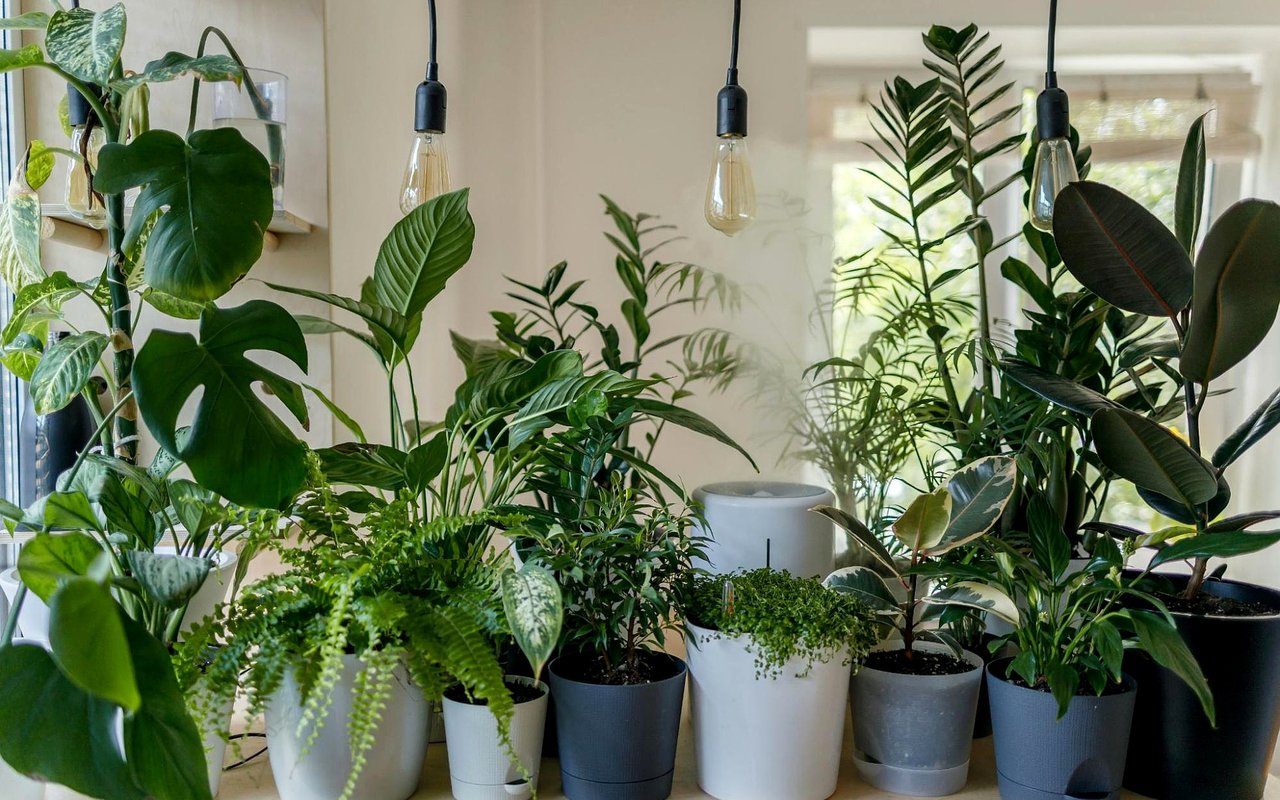
Houseplants can help filter the air and add a touch of green to your space, but not all plants are created equal when it comes to improving air quality. Spider plants, snake plants, and pothos are low-maintenance options that can help remove toxins like formaldehyde and benzene from the air.
However, be mindful; plants can also harbor mold in the soil if overwatered or poorly drained. Keep them healthy, and don’t overcrowd your indoor space with too many. A few well-placed plants can be both decorative and beneficial without becoming another source of indoor pollutants.
However, be mindful; plants can also harbor mold in the soil if overwatered or poorly drained. Keep them healthy, and don’t overcrowd your indoor space with too many. A few well-placed plants can be both decorative and beneficial without becoming another source of indoor pollutants.
Choose Cleaning Products Wisely
Many common household cleaners contain VOCs that can linger in the air long after you’ve finished scrubbing. Even products labeled “green” or “natural” may still include ingredients that contribute to poor indoor air quality.
Look for unscented, low-VOC cleaners or make your own using vinegar, baking soda, and lemon. If you do use stronger products, be sure to ventilate well by opening windows or turning on fans while you clean, and avoid using aerosol sprays when possible.
Look for unscented, low-VOC cleaners or make your own using vinegar, baking soda, and lemon. If you do use stronger products, be sure to ventilate well by opening windows or turning on fans while you clean, and avoid using aerosol sprays when possible.
Consider an Air Purifier for Extra Support
In some cases, especially during wildfire season or allergy peaks, a portable air purifier can be a smart addition. These devices are particularly helpful in bedrooms, nurseries, or home offices, spaces where you spend a lot of time and want the air to be as clean as possible.
Look for models with HEPA filters, which are capable of capturing 99.97% of particles down to 0.3 microns. Some also include activated carbon filters to reduce odors or gases. Keep in mind that square footage matters; choose a purifier rated for the size of the room where it’ll be used most.
Look for models with HEPA filters, which are capable of capturing 99.97% of particles down to 0.3 microns. Some also include activated carbon filters to reduce odors or gases. Keep in mind that square footage matters; choose a purifier rated for the size of the room where it’ll be used most.
Don’t Forget About Your Floors
Carpets and rugs can act like sponges for dust, allergens, and pet dander. Vacuuming regularly using a machine with a HEPA filter helps reduce buildup, especially in high-traffic areas.
If your home has hardwood or tile floors, regular sweeping and mopping can also help remove particles that settle over time. And if you’re thinking about upgrading your flooring, consider low-VOC materials that won’t release harmful gases over time.
If your home has hardwood or tile floors, regular sweeping and mopping can also help remove particles that settle over time. And if you’re thinking about upgrading your flooring, consider low-VOC materials that won’t release harmful gases over time.
Take a Holistic Approach
Improving your home's air quality isn’t about making one big change; it’s about layering several smaller steps that add up over time. In Littleton, where dry weather, seasonal smoke, and long indoor seasons are common, paying attention to these factors can make your home not just more comfortable, but healthier too.
Whether you’re preparing to list your property, settling into a new home, or simply looking to make your current space better for your family, the steps above offer a practical, approachable way to breathe easier every day.
Whether you’re preparing to list your property, settling into a new home, or simply looking to make your current space better for your family, the steps above offer a practical, approachable way to breathe easier every day.
Ready to Learn More? Let’s Talk
For expert local guidance on how to improve the air quality of your home (or how air quality improvements can boost your home’s value), connect with the Mile High Home Group. Their team understands the unique challenges and opportunities in Littleton’s real estate market and can help you make smart, health-conscious decisions that benefit your home and your future. Reach out now to get started!