By Mile High Home Group
When you’re getting ready to sell your home in Littleton, it’s easy to focus on pricing, photos, and timing. But one step that often gets overlooked (and can make a real difference in how smoothly your sale goes) is the pre-listing home inspection. We’ve helped many sellers prepare their homes for the market, and we’ve seen how a proactive approach to inspections can reduce surprises, strengthen negotiations, and keep deals on track. If you’re thinking about listing, here’s what you need to know.
Key Takeaways
- A home inspection before selling helps you identify issues early
- Pre-inspections can reduce buyer negotiations and delays
- Knowing your home’s condition puts you in control of the sale
- Preparation leads to smoother contracts and stronger offers
What Is a Home Inspection Before Selling?
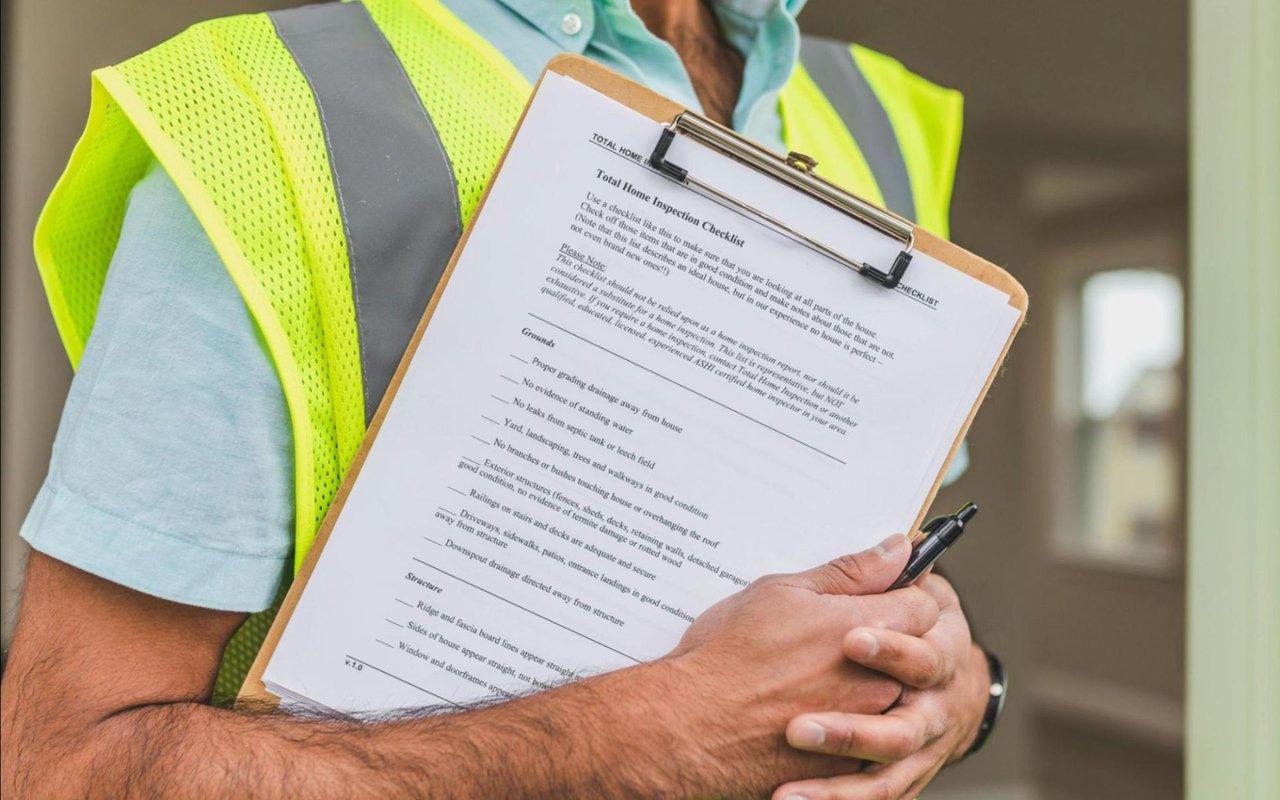
A home inspection before selling (often called a pre-listing inspection) is when a seller hires a licensed inspector to evaluate the property before it goes on the market. The goal isn’t to make the home perfect, but to understand its condition from a buyer’s perspective.
What a Pre-Listing Inspection Typically Covers
- Roof, attic, and visible insulation
- Foundation and structural components
- Plumbing and electrical systems
- Heating and cooling systems
- Windows, doors, and major appliances
- Exterior elements, drainage, and grading
In Littleton, where homes range from established neighborhoods to newer builds, this step helps sellers anticipate buyer concerns before they become obstacles.
Why Sellers in Littleton Choose a Pre-Inspection
We often recommend a home inspection before selling because it shifts the power dynamic. Instead of reacting to a buyer’s inspection report, you’re prepared ahead of time.
Benefits of Inspecting Before You List
- Fewer surprises during escrow
- More accurate pricing from the start
- Stronger buyer confidence and trust
- Reduced risk of last-minute renegotiations
When buyers see a home that’s been pre-inspected and thoughtfully prepared, they’re often more comfortable moving forward with fewer contingencies.
What to Do with the Inspection Results
Once you receive the inspection report, the next step is deciding how to respond. Not every item needs to be fixed, and part of our job is helping you prioritize.
How Sellers Typically Use the Report
- Address major issues that could impact value or safety
- Handle small repairs that improve overall presentation
- Disclose known issues upfront to set clear expectations
- Price the home strategically with condition in mind
For example, minor fixes like loose handrails or worn caulking are often easy wins, while larger items, like aging HVAC systems, may factor into pricing instead of repairs.
Which Repairs Are Worth Making?
One of the most common questions we hear is what’s actually worth fixing before listing. The answer depends on your home, your timeline, and current market conditions in Littleton.
Repairs That Often Make Sense
- Roof or gutter maintenance to prevent red flags
- Plumbing leaks or electrical concerns
- HVAC servicing to show systems are well-maintained
- Water intrusion or drainage issues
- Safety-related items noted in the report
Cosmetic updates can help with presentation, but inspection-related repairs should focus on function and long-term reliability.
What You Don’t Have to Fix
A home inspection before selling doesn’t mean you need to address every note in the report. Buyers understand that no home is perfect.
Items Sellers Often Leave As-Is
- Normal wear and tear
- Outdated but functional systems
- Cosmetic imperfections
- Minor maintenance recommendations
The key is transparency. When buyers know what to expect, they’re less likely to push back later.
How a Pre-Inspection Impacts Buyer Negotiations
One of the biggest advantages of a pre-listing home inspection is how it changes the negotiation process. Buyers have less leverage when issues are already known and disclosed.
Why Negotiations Tend to Go Smoother
- Fewer repair requests after the buyer’s inspection
- Clear documentation reduces uncertainty
- Buyers feel more confident submitting strong offers
- Lower risk of contract cancellations
In competitive Littleton markets, a well-prepared home often attracts cleaner offers with fewer concessions.
Should You Share the Inspection with Buyers?
In many cases, yes, but how you share it matters. We help sellers decide the best approach based on their goals and market conditions.
Smart Ways to Use the Report
- Provide it upon request to serious buyers
- Include it with disclosures for transparency
- Highlight completed repairs tied to the inspection
- Use it as a reference point, not a warranty
Sharing the inspection shows you’re proactive and honest, which can go a long way in building buyer trust.
Timing Your Inspection Correctly
Ideally, your pre-listing inspection should happen after you’ve decided to sell but before the home hits the market.
Best Timing Practices
- Schedule the inspection early in your prep timeline
- Complete key repairs before photos and showings
- Avoid rushing fixes that could delay listing
- Coordinate with your agent to align with pricing strategy
This timing allows you to list with confidence and avoid scrambling once you’re under contract.
FAQs
Is a home inspection before selling required?
No, it’s optional. However, many sellers find it’s a smart way to reduce stress and avoid unexpected issues during escrow.
Will a pre-inspection scare buyers?
In our experience, it does the opposite. Buyers often feel more comfortable when sellers are upfront about the home’s condition.
Can buyers still do their own inspection?
Yes. Most buyers will still order their own inspection, but having a pre-listing inspection often leads to fewer surprises and smoother negotiations.
Contact Mile High Home Group Today
At Mile High Home Group, we help Littleton sellers prepare their homes strategically so they sell with confidence, clarity, and fewer complications. A home inspection before selling is one of the smartest tools you can use to stay in control of the process, and we’ll guide you on when, how, and why to use it.
Reach out to us at Mile High Home Group, and let’s talk about how to position your home for a smooth, successful sale from day one.