By Mile High Home Group
Denver’s housing market includes properties from nearly every era of development. Some neighborhoods feature early 20th-century bungalows and brick Tudors, while others showcase modern builds designed for contemporary living. Buyers often ask a practical question during showings: does the age of a house affect its value? The answer is rarely simple. In many cases, value depends less on the year the home was built and more on maintenance, renovations, and how well the property fits the surrounding neighborhood.
Key Takeaways
- Home age alone rarely determines market value
- Renovations and maintenance history often carry more weight
- Historic character can increase demand in certain Denver neighborhoods
- Location and layout influence buyer perception as much as age
Historic Character and Architectural Appeal
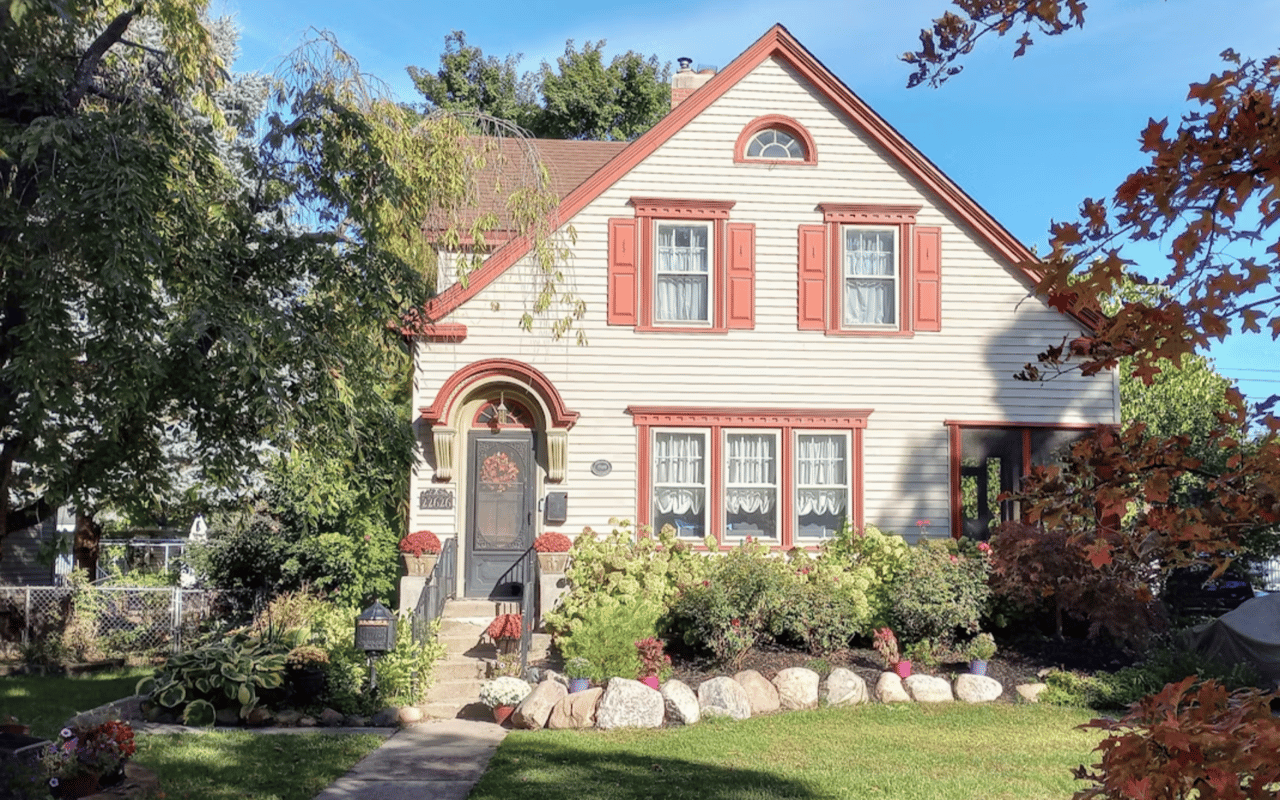
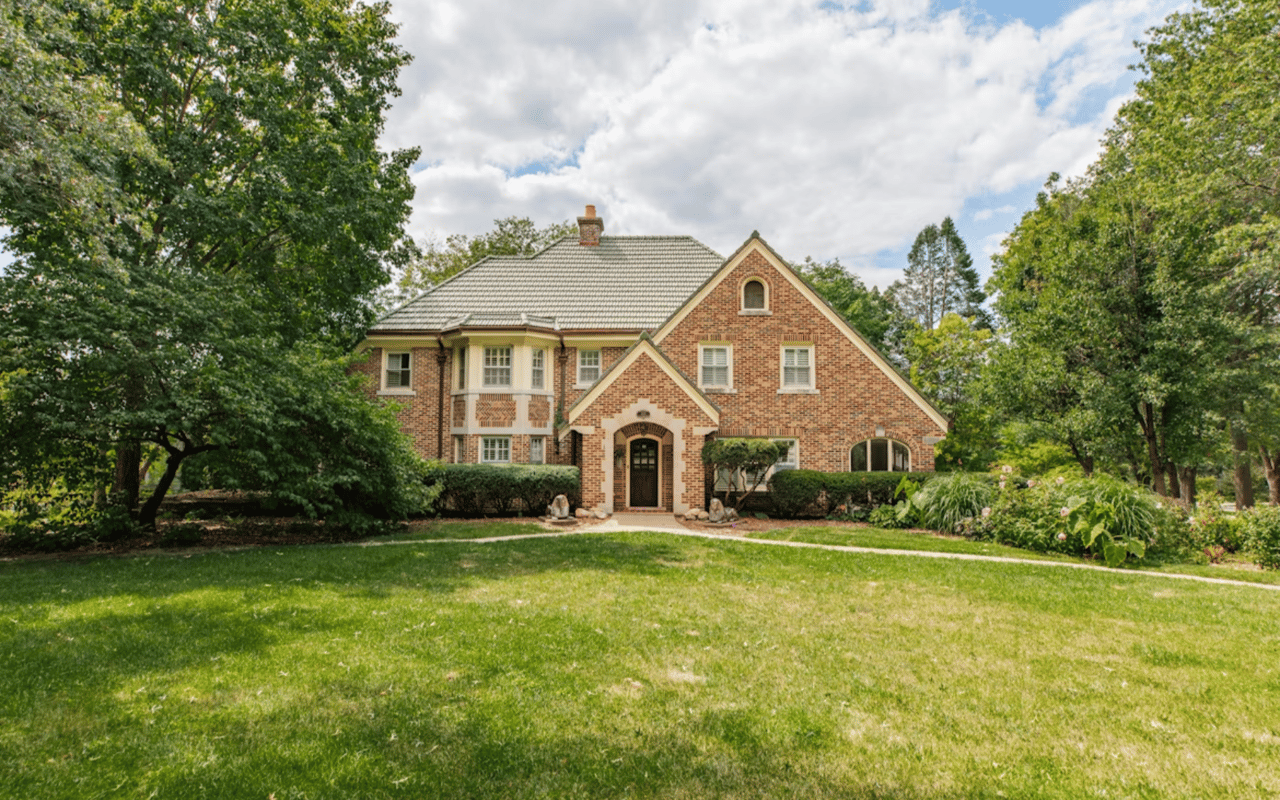
Older homes in Denver often attract attention because of their craftsmanship and architectural identity. Neighborhoods such as Washington Park, Congress Park, and Park Hill are known for properties built decades ago that still command strong demand today. Does the age of a house affect its value? If you’re a buyer wondering this, you may discover historic design features can actually increase interest.
Architectural Details Buyers Value
- Original hardwood flooring
- Decorative trim and crown molding
- Brick exteriors and classic facades
- Mature trees and established landscaping
These characteristics help create a sense of place that newer homes sometimes struggle to replicate. In Denver’s established neighborhoods, architectural personality can strengthen buyer demand and support long-term value.
Renovations and System Updates
While historic character can be appealing, buyers still look closely at mechanical systems and infrastructure. Older homes that have been updated thoughtfully often perform very well in the market. Modern systems help reassure buyers that the property will not require immediate major repairs.
Upgrades That Strengthen Buyer Confidence
- Updated electrical panels and wiring
- Modern plumbing systems
- Energy-efficient windows
- Newer HVAC systems
When buyers evaluate a property, the conversation about whether the age of a house affects its value often shifts toward the condition of these systems. Homes that blend original charm with modern functionality tend to stand out.
Layout and Functional Design
Another factor buyers consider is how the home’s layout fits contemporary living patterns. Older homes were often designed with more segmented rooms, while modern construction typically emphasizes open living areas.
Layout Elements Buyers Evaluate
- Flow between kitchen and living spaces
- Bedroom placement and privacy
- Natural light throughout the home
- Opportunities for future remodeling
Many Denver homes have been updated to combine historic structure with modern layout adjustments. When renovations create better flow without sacrificing character, buyers often see the home as offering the best of both eras.
Maintenance and Long-Term Ownership Costs
Age can also influence how buyers think about long-term maintenance. Roof condition, foundation stability, and other structural elements receive close attention during inspections.
Areas Buyers Often Review Carefully
- Roof age and condition
- Foundation stability
- Sewer line integrity
- Drainage around the property
Understanding these factors helps buyers estimate future upkeep. In many cases, the answer to whether the age of a house affects its value depends on how well these long-term maintenance issues have been addressed.
Neighborhood Context and Market Demand
Location plays a major role in how buyers interpret the age of a property. In many Denver neighborhoods, older homes define the architectural identity of the area.
Market Context That Influences Value
- Neighborhood demand and popularity
- Walkability and proximity to amenities
- Renovation activity in the area
- Availability of nearby new construction
In established communities, older homes are often expected rather than avoided. In these cases, the discussion around whether the age of a house affects its value becomes more about condition and location than age itself.
FAQs
Are older homes harder to sell in Denver?
Not necessarily. Many buyers specifically seek older homes because of their character and location in established neighborhoods.
Do renovations increase the value of older homes?
Yes, especially when they improve systems and functionality while preserving original architectural features.
Should buyers avoid older homes due to maintenance concerns?
Not always. Thorough inspections and documented updates can help buyers understand potential maintenance needs.
Contact Mile High Home Group Today
Every home in Denver tells a different story, whether it was built a century ago or just a few years back. Does the age of a house affect its value? Understanding how condition, renovations, and location interact can provide more clarity.
For guidance tailored to your goals, connect with us at the Mile High Home Group to evaluate properties with a clear understanding of how age, updates, and neighborhood context shape value in today’s market.